precondition
nouna condition that must be met before something else can happen
What Makes This Word Tick
A precondition is a requirement that must be met before something else can happen. It’s about sequence and gatekeeping: no first step, no next step. Compared with goal, a precondition isn’t what you’re aiming for—it’s what you must already have in place to proceed.
If Precondition Were a Person…
Precondition would be the careful bouncer at the door who checks your credentials before letting you in. They aren’t being mean; they’re enforcing the order of things. Being around them feels structured, like progress depends on meeting the basics first.
How This Word Has Changed Over Time
Precondition has stayed firmly tied to the idea of something required beforehand, especially in learning, planning, and formal agreements. Modern use continues to emphasize the “must come first” logic.
Old Sayings and Proverbs
A proverb-style idea that matches precondition is that you can’t build a roof without first laying a foundation. This reflects the definition because a precondition is the necessary requirement that must be met before the next step can happen.
Surprising Facts
Precondition often appears in careful, logical writing because it makes cause-and-sequence explicit. It can also signal fairness or clarity, since it tells people what’s expected before they try. In everyday use, it’s a neat way to explain why something “can’t happen yet” without sounding vague.
Out and About With This Word
You’ll often see precondition in education, planning, and rule-setting contexts—anywhere steps must happen in order. It’s common when someone is describing prerequisites for training, permissions, or agreements.
Pop Culture Moments Where Precondition Was Used
In pop culture, the idea of a precondition often shows up in “rules of the deal” scenes, where a character must meet a requirement before help, access, or progress is granted. That reflects the definition because the condition must be satisfied first, or the next event won’t happen. The tension comes from whether the character can meet that gatekeeping requirement.
The Word in Literature
In literary writing, precondition is used when an author wants a crisp, logical tone—making the setup feel deliberate and consequential. It can help a reader understand why a character’s options are limited until a certain requirement is met. The word often signals structure: events will unfold only after the “must-have” condition is in place.
Moments in History with Precondition
Throughout history, preconditions appear wherever systems depend on qualifications—training before skilled work, agreements before cooperation, or standards before membership. This matches the definition because the idea is always the same: a requirement that must come first so the next step can proceed.
This Word Around the World
Across languages, this idea is usually expressed through words meaning “prerequisite,” “requirement,” or “prior condition,” sometimes with a prefix that signals “before.” The core meaning stays consistent: something that must be met before anything else can happen.
Where Does It Come From?
Precondition is built from Latin elements meaning “before” and “condition,” which matches its meaning almost perfectly. The word’s structure mirrors its function: a condition that comes first.
How People Misuse This Word
Precondition is sometimes used like a preference (“I’d like this first”), but it’s stronger than that—it implies a necessary requirement. If something is merely helpful but not required, helpful condition or advantage may be clearer.
Words It’s Often Confused With
Precondition is often confused with consequence, but a precondition comes before, while a consequence comes after. It can also overlap with prerequisite, though precondition often feels slightly more formal and condition-focused.
Additional Synonyms and Antonyms
Additional Synonyms: prior condition, necessary condition, entry requirement Additional Antonyms: on-the-fly, ad hoc, unplanned
Want to Try It Out in a Sentence?
"Understanding basic algebra is a precondition for learning calculus."
Explore more words
11 Dumbest Things Middle-Class Americans Waste Money On
See what to cut →

tautology
[taw-tol-uh-jee]
an instance of such repetition

fulminate
[fuhl-muh-neyt]
to issue denunciations or the like

Little-Known Money Hacks That Could Save You Hundreds
Review the list →

Is Staying With the Same Insurer Costing You More?
Explore Your Options →

banal
[buh-nal]
devoid of freshness or originality; hackneyed; trite

convalesce
[kon-vuh-les]
to recover health and strength after illness; make progress toward recovery of health

These 10 Money Moves Could Save Seniors Hundreds
Read more →
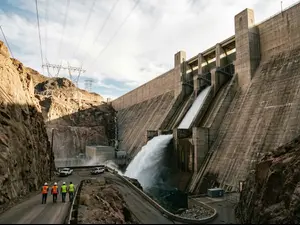
colossal
[kuh-los-ul]
extremely large or impressive

hobnob
[hob-nob]
to associate on very friendly terms (usually followed by 'with')

aggrandize
[ag-ruhn-dahyz]
to make something appear greater

pule
[pyool]
to cry in a thin voice; whine; whimper

assertion
[uh-sur-shuhn]
a confident and forceful statement of fact or belief
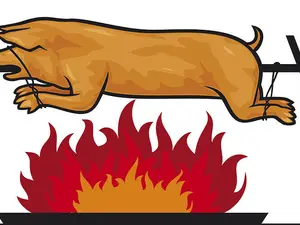
succulent
[suhk-yuh-luhnt]
(of food) tender, juicy, and tasty

zealot
[z-eal-ot]
a person who is fanatical or uncompromising in their support for a cause or belief.
conterminous
[kuhn-tur-muh-nuhs]
having a common boundary