
penniless
adjectivewithout any money whatsoever; totally impoverished; destitute
What Makes This Word Tick
The word "penniless" paints a vivid picture of financial destitution. It conjures images of empty pockets and the jingling absence where coins should be. Often used to describe someone who doesn't have a red cent to their name, it's a term that's both evocative and slightly melodramatic, capturing the stark reality of being without money.
If Penniless Were a Person…
Imagine Penniless as someone who perpetually searches between couch cushions for loose change. Always cheerful despite obvious financial challenges, they'd be wearing clothing patched together with love and a bit of ingenuity, collecting stories richer than any bank account.
How This Word Has Changed Over Time
The word "penniless" has stuck fairly close to its original meaning over the centuries. Emerging in an era when pennies were a significant part of daily transactions, the term describes someone entirely, well, penny-less. In modern times, it feels a bit nostalgic, given the dwindling use of physical money.
Old Sayings and Proverbs That Use Penniless
Though not featured directly in traditional proverbs, "penniless" embodies the spirit of sayings like "Can't rub two pennies together" or "Living from hand to mouth." These capture the essence of financial struggle that "penniless" brings to mind.
Surprising Facts About Penniless
Did you know that the term "penniless" might sound different in various parts of the world? In Britain, it was literal as the pound was divided into pennies. Plus, historically, becoming penniless could lead to debtor's prison, which seems unthinkable today!
Out and About With This Word
"Penny for your thoughts" would have been a dreaded offer for someone penniless! You might find this word popping up in humorous exchanges, or when someone emphatically describes their financial woes with a touch of drama. It's the ideal word to elicit sympathy and maybe a bit of laughter.
Pop Culture Moments Where Penniless Was Used
In the iconic musical "Les Misérables," the characters often find themselves penniless, struggling in the streets of Paris. In pop culture, the word tends to appear in Dickensian tales of poverty and resilience, mirroring struggles that, while common in fiction, tug at the heartstrings.
The Word in Literature
Charles Dickens had a knack for characters with financial woes, often painting vivid portraits of the penniless in works like "Oliver Twist." The word feels right at home in Victorian literature, bringing to life the everyday struggles of 19th-century characters.
Moments in History with Penniless
The Great Depression is a period where "penniless" was more than just a word-it was a harsh reality. Images of breadlines and dust bowl migrations embody the term. It reflects a time when the lack of pennies equated to severe hardship.
This Word Around the World
While the word "penniless" might not have direct equivalents in all languages, the concept is universally understood. In Italian, "senza un soldo" speaks to a similar idea, and in French, "sans le sou" might pop into conversation when reminiscing about leaner times.
Where Does It Come From?
"Penny" is derived from Old English "penning," which relates closely to the German "pfennig." The suffix "-less" simply denotes the absence of something. Combined, they form "penniless," capturing a state of monetary void perfectly.
How People Misuse This Word
Sometimes "penniless" gets thrown around a bit too loosely. Someone might jokingly claim they're penniless after an extravagant shopping spree. In reality, being penniless implies a more serious and enduring lack of funds, not just a temporary expense hangover.
Words It's Often Confused With
- Broke: While similar, "broke" is more casual and temporary.
- Impoverished: Suggests a more systemic and severe lack of resources than just monetary.
- Destitute: Implies a severe lack of basic necessities and not just no money.
Additional Synonyms and Antonyms
Synonyms for "penniless" include destitute, broke, and impoverished. Antonyms would be wealthy, affluent, and prosperous-words that paint quite a different picture indeed!
Want to Try It Out in a Sentence?
"After his elaborate vacation, he declared himself penniless, but everyone knew he was exaggerating just a tad."
Explore more words
11 Dumbest Things Middle-Class Americans Waste Money On
See what to cut →
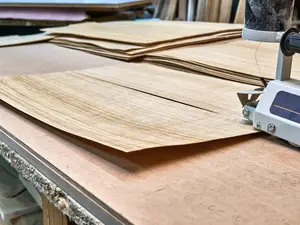
veneer
[vuh-neer]
a thin layer of wood or other material for facing or inlaying wood

desuetude
[des-wi-tood]
the state of being no longer used or practiced
Little-Known Money Hacks That Could Save You Hundreds
Review the list →

Is Staying With the Same Insurer Costing You More?
Explore Your Options →

polypod
[pol-ee-pod]
(of insect larvae) having many feet

pitiable
[pit-ee-uh-buhl]
evoking or deserving pity; lamentable; miserable; contemptible

These 10 Money Moves Could Save Seniors Hundreds
Read more →
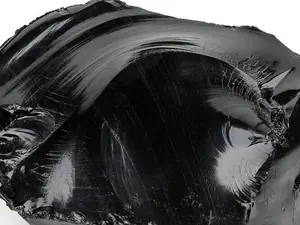
obsidian
[uhb-sid-ee-uhn]
a volcanic glass similar in composition to granite, usually dark but transparent in thin pieces, and having a good conchoidal fracture

resplendent
[res-plen-dent]
attractive and impressive through being richly colorful or sumptuous

respite
[res-pit]
a delay or cessation for a time, especially of anything distressing or trying; an interval of relief
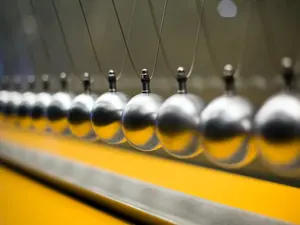
impetus
[im-pi-tuhs]
a moving force; impulse; stimulus

soliloquy
[suh-lil-uh-kwee]
an utterance or discourse by a person who is talking to himself or herself or is disregardful of or oblivious to any hearers present

tantalize
[tan-tl-ahyz]
to torment with, or as if with, the sight of something desired but out of reach; tease by arousing expectations that are repeatedly disappointed

rancor
[r-ank-or]
bitter resentment or deep-seated ill will.

insolent
[in-suh-luhnt]
impudent, contemptuous
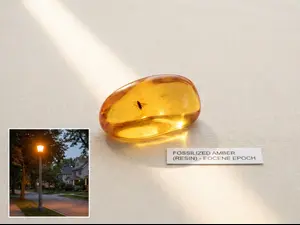
amber
[amb-er]
a yellowish-orange fossilized tree resin often used in jewelry.

myrrh
[mur]
an aromatic resinous exudation from certain plants of the genus Myrrhis, especially M. odorata, a small spiny tree: used for incense, perfume, etc.

neglectful
[neh-glekt-ful]
failing to care for someone or something properly

conspicuous
[kuhn-spik-yoo-uhs]
easily seen or noticed; readily visible or observable