factoid
nounan insignificant or trivial fact
What Makes This Word Tick
Factoid is a deliciously deceptive term. It sounds like a small nugget of truth, but its roots actually paint a different picture. Instead of pure fact, it originally described something that appears to be true but isn't, often because it was invented for a specific purpose. It's got a cheeky little twist, doesn't it?
If Factoid Were a Person…
If Factoid were a person, they'd be that friend who can spin a tale just convincingly enough to make you question reality. They're charming, sly, and perhaps a tad too willing to embellish the details. Attending parties with them would always be an adventure in discerning truth from strategic fabrication.
How This Word Has Changed Over Time
When Norman Mailer coined "factoid" in the early 1970s, he described it as something that's designed to be consumed as truth but actually isn't. Over time, however, people began using it to describe even somewhat trivial but true facts - a shift from its original, more cynical meaning.
Old Sayings and Proverbs That Use Factoid
Factoid isn't old enough to nestle into classic sayings or proverbs, but if it were to sneak into one, perhaps it might be: "A factoid today, a rumor tomorrow." It's got a modern ring to it, with a hint of tabloid flavor.
Surprising Facts About Factoid
Though it sounds ancient, factoid is a surprisingly young word, debuting in print in 1973. Its emergence aligns with the media's boom when an increased appetite for entertaining spins on reality gave factoids fertile ground to grow.
Out and About With This Word
You might encounter "factoid" while thumbing through a news magazine or tuning into a 'Did you know?' segment on a radio show. It's the darling of quick quips and catchy fillers that seem factual, but often are a bit more playful.
Pop Culture Moments Where Factoid Was Used
Watch any satirical news program, and you're likely to encounter this word. It's often employed to poke fun at how news can sometimes be more entertaining fiction than fact. A famous usage appeared on Stephen Colbert's "The Colbert Report," which thrived on mixing information and borderline absurdity.
The Word in Literature
While you won't find "factoid" nestling within the pages of classic tomes like "War and Peace," it's right at home in post-modern literature and journalism that wrestles with truth and reality. Think of it as a companion piece to narratives exploring media and misinformation.
Moments in History with Factoid
Consider the Watergate scandal-a vortex of facts, narratives, and the infamous "non-denial denial." During such times, a factoid could easily insert itself, seeding doubt or spinning the story to captivate and mislead the public.
This Word Around the World
In British English, "factoid" follows similar misinterpretations as in the U.S., blurring the pleasant line between truth and trivia. Across languages, similar concepts exist, noting the universal allure of bending truth-but "factoid" itself is an English gem.
Where Does It Come From?
Factoid sprang forth from the creative mind of famed writer Norman Mailer, who introduced it in his biography "Marilyn: A Biography." He used it to describe facts that swirled around celebrity culture, often believed but not authenticated.
How People Misuse This Word
Many use "factoid" to imply a small fact, probably helped along by its diminutive suffix "-oid." However, its true definition is closer to false or invented information presented as fact.
Words It's Often Confused With
- Fact: This refers to a snippet of truth, while a factoid might only masquerade as one.
- Tidbit: Often implies a small piece of (usually true) information but lacks the deceptive twist of factoid.
- Trivia: Generally harmless and true pieces of information, unlike the sometimes misleading nature of a factoid.
Additional Synonyms and Antonyms
Synonyms for factoid could include "mythlet," "misfact," or "pseudo-fact," though these are less commonly used. For antonyms, consider "truth," "reality," or simply "fact."
Want to Try It Out in a Sentence?
While reading a celebrity magazine, Linda grinned at a factoid about certain A-listers having secret meetings, wondering how much of it was reality and how much was merely spun gossip.
Explore more words
11 Dumbest Things Middle-Class Americans Waste Money On
See what to cut →
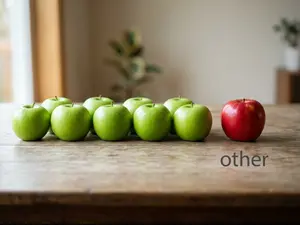
other
[uhth-er]
not the same

palindrome
[pal-in-drohm]
a word, line, verse, number, sentence, etc., reading the same backward as forward, as "Madam, I'm Adam" or "Poor Dan is in a droop"

Little-Known Money Hacks That Could Save You Hundreds
Review the list →

Is Staying With the Same Insurer Costing You More?
Explore Your Options →

vocational
[voh-key-shuh-nl]
of, relating to, or connected with a vocation or occupation

isthmus
[is-muhs]
a narrow strip of land, bordered on both sides by water, connecting two larger bodies of land

These 10 Money Moves Could Save Seniors Hundreds
Read more →

hated
[hey-tid]
strongly disliked or despised

lauded
[law-did]
praised or extolled; spoken highly of

candid
[kan-did]
truthful and straightforward; frank

milquetoast
[milk-tohst]
a very timid, unassertive, spineless person, especially one who is easily dominated or intimidated

ephemeral
[ih-fem-er-uhl]
lasting a very short time; short-lived; transitory

unsparing
[unsp-ar-ing]
generous and unrestrained in giving; also refers to harsh or severe criticism.

prothalamion
[proh-thuh-ley-mee-on]
a song or poem celebrating an upcoming wedding

bash
[bash]
a party or celebration; to strike with force

disheveled
[dih-shev-uhld]
hanging loosely or in disorder; unkempt
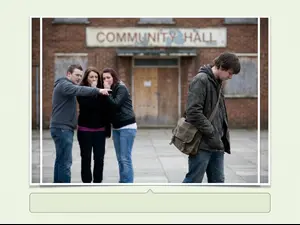
disrepute
[di-sre-ute]
a state of being held in low regard

effluvium
[ih-floo-vee-uhm]
a slight or invisible exhalation or vapor, especially one that is disagreeable or noxious

exacerbation
[ig-zas-er-bey-shuhn]
the act of making a negative situation feel worse than it is