
eventide
noun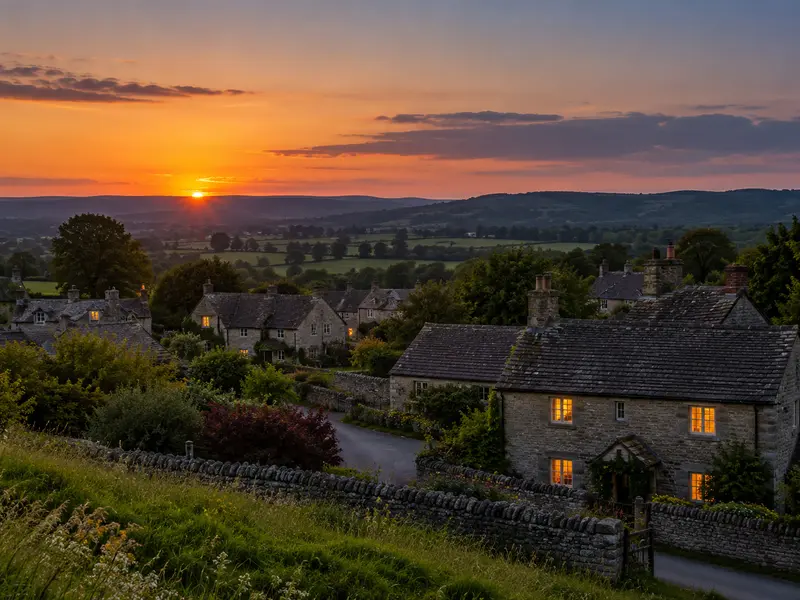
the time of evening
What Makes This Word Tick
Eventide works especially naturally after "at," as in a walk at eventide or a village settling down at eventide. That small phrase gives a scene a leisurely, literary atmosphere without specifying a particular hour on the clock.
If Eventide Were a Person...
Eventide would be the unhurried host who switches on the porch lamp as the last guests arrive. They would set out the chairs, lower the music, and suggest taking supper outside while a little daylight remains.
How This Word Has Changed Over Time
Eventide has survived from Old English into modern English without losing its connection to the close of day. What has changed is its everyday familiarity: dictionaries now mark it as literary or archaic, while evening remains the ordinary conversational choice.
Old Sayings and Proverbs
"Red sky at night, shepherd's delight" is a genuine weather saying, although it does not contain eventide. Its red sky belongs to the sunset end of the day, making it a familiar picture of the period that eventide names.
Surprising Facts
Eventide is also the name of the hymn tune commonly paired with Henry Francis Lyte's "Abide with Me." The hymn's opening includes "fast falls the eventide," so the musical title echoes a word already present in its text.
Out and About With This Word
A photographer describing the last warm light on a harbor could call the setting eventide. The same word suits a slow walk past gardens as porch lights come on, though a practical meeting invitation would usually say evening and provide a starting time.
Pop Culture Moments Where Eventide Was Used
It would fit naturally alongside Before Sunrise, where Jesse and Celine spend an evening exploring Vienna together. It also suits Tangled, where Rapunzel and Flynn watch floating lanterns illuminate the evening sky. In both cases, eventide describes the late-day setting that makes the encounter feel separate from ordinary daytime activity.
The Word in Literature
The final stanza of John Keats's "To Autumn" turns toward fading daylight, singing crickets, and gathering swallows. Eventide names that part of the day, and the poem's shift from the sky to small animal sounds makes the approach of evening especially tangible.
Moments in History with Eventide
Caspar David Friedrich's nineteenth-century painting Two Men Contemplating the Moon provides a visual counterpart to eventide. Its figures pause during an evening walk to look toward the moon, placing the close of day at the center of their encounter with the landscape.
This Word Around the World
The tide element in eventide has linguistic relatives in Dutch tijd and German Zeit, both meaning time. Those connections help explain why this English word concerns a portion of the day rather than the movement of seawater.
Where Does It Come From?
Eventide comes from Old English aefentid, joining aefen, evening, with tid, a portion of time. The compound preserves an older sense of tide that is less familiar today, and its two parts still point directly to evening time.
How People Misuse This Word
Despite its ending, eventide does not mean the tide occurring around sunset; the evening tide would be the clearer phrase for that coastal observation. It also cannot supply a precise appointment time, because the word names a broad period rather than a fixed hour.
Words It's Often Confused With
Twilight describes the remaining light when the sun is below the horizon and can occur before sunrise as well as after sunset; eventide belongs specifically to evening. Vespertine is an adjective meaning associated with evening, so an eventide walk may be vespertine, but the two words cannot simply replace each other grammatically.
Additional Synonyms and Antonyms
Additional synonyms: ["sundown", "nightfall", "close of day"] Additional antonyms: ["sunup", "forenoon", "midday"]
Want to Try It Out in a Sentence?
At eventide, we watched the last sunlight fade behind the hills.
Explore more words
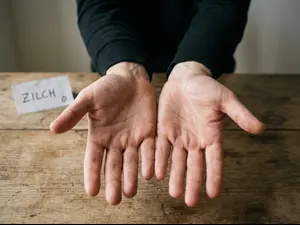
zilch
[zilch]
nothing; zero.

askance
[uh-skans]
with suspicion, mistrust, or disapproval


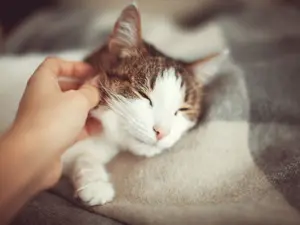
mollycoddle
[mol-ee-kod-l]
to coddle; pamper
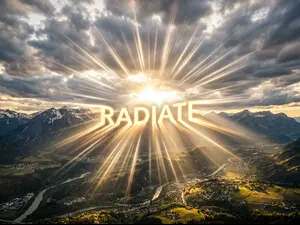
radiate
[rey-dee-eyt]
to emit energy or heat in the form of rays or waves
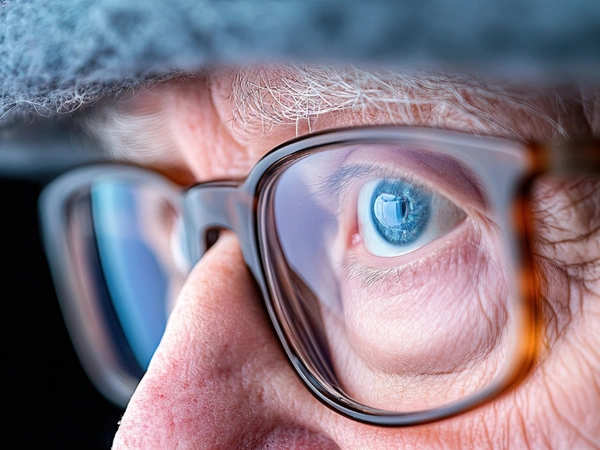

acrimonious
[ak-ruh-moh-nee-uhs]
caustic, stinging, or bitter in nature, speech, behavior, etc.

snickersnee
[snik-er-snee]
a knife, especially one used as a weapon.

quibble
[kwib-uhl ]
an instance of the use of ambiguous, prevaricating, or irrelevant language or arguments to evade a point at issue
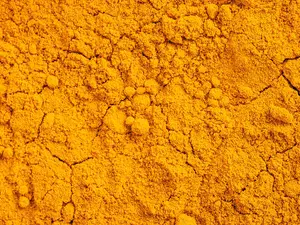
ocher
[oh-ker]
any of a class of natural earths, mixtures of hydrated oxide of iron with various earthy materials, ranging in color from pale yellow to orange and red, and used as pigments

recline
[ri-klahyn]
to lean or lie back; rest in a recumbent position
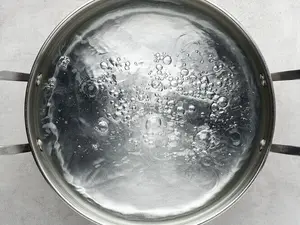
parboil
[pahr-boil]
to boil for a short amount of time; pre-cook
horrible
[hawr-uh-buhl]
causing horror; extremely unpleasant

jocose
[joh-kohs]
given to or characterized by joking; jesting; humorous; playful

trenchant
[tren-chuhnt]
incisive or keen, as language or a person; caustic; cutting

disheveled
[dih-shev-uhld]
hanging loosely or in disorder; unkempt
feckless
[fek-lis]
lacking initiative or strength of character; irresponsible
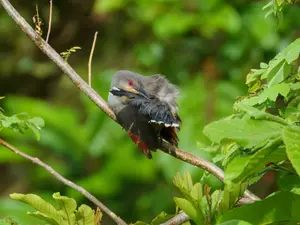
preen
[preen]
(of animals, especially birds) to trim or dress (feathers, fur, etc.) with the beak or tongue