
acrimonious
adjectivecaustic, stinging, or bitter in nature, speech, behavior, etc.
What Makes This Word Tick
Acrimonious is like a spicy dish that might leave a bit of a burn if you aren't ready for it. It's all about bitterness and sharpness, often used to describe language or debates that aren't exactly friendly. If you're dealing with something acrimonious, there's likely a heated exchange involved with a sprinkle of resentment.
If Acrimonious Were a Person…
Picture a sharp-tongued neighbor who never backs down from a good argument. They might be fiercely opinionated at the book club discussions, unapologetically speaking their mind and leaving a trail of tension in their wake. While their honesty might be refreshing to some, others might find them just a tad too harsh.
How This Word Has Changed Over Time
The essence of acrimonious has remained relatively stable over the centuries, always relating to bitterness and harshness. Initially rooted in physical senses of sharpness and pungency, its linguistic edges have kept sharp, often popping up in descriptions of particularly heated disputes.
Old Sayings and Proverbs That Use Acrimonious
While historic sayings might not explicitly use "acrimonious," the sentiment resonates with phrases like "bitter pill to swallow" or "cross words never win." These give a nod to the sour undertone that acrimonious situations might bring to life.
Surprising Facts About Acrimonious
Did you know the word originally shares roots with "acer," the Latin word for sharp? Apart from verbal sparring, it's also found in biology to describe corrosive substances. So, if you think bitter words are hazardous, you might be on to something!
Out and About With This Word
In the courtroom or during political debates, acrimonious exchanges can often steal the spotlight. It's also quite at home in fiery editorial columns or letters to the editor, where passions tend to run high.
Pop Culture Moments Where Acrimonious Was Used
When divorces make the tabloids, they're often described as acrimonious, adding a flair of drama. TV shows like "The West Wing" or "The Good Fight" frequently use the term to elevate political and legal arguments to high-stakes maneuvers.
The Word in Literature
Acrimonious finds its place in novels with tense family dynamics or courtroom dramas, lending a biting edge to interactions. Charles Dickens and Jane Austen might not have used the word directly, but its spirit is alive in their vivid portrayals of sharp societal commentary.
Moments in History with Acrimonious
Think of the debates during the drafting of the U.S. Constitution – though the word acrimonious might not appear in the records, it certainly captures the fiery exchanges as founding fathers hashed out their disagreements. The civil rights discussions of the 1960s also bore acrimonious tones as progress clashed with resistance.
This Word Around the World
In French, "acrimonieux" carries much the same meaning, used in discussing spiteful situations. Meanwhile, in Spanish, "acrimonia" hints at bitterness, particularly in bureaucratic tussles. Across cultures, the sentiment of heated harshness is universally understood.
Where Does It Come From?
"Acrimonious" entered the English language in the early 17th century, rooted in the Latin "acrimonia," which described harshness in both taste and temperament. It's traveled through the ages, maintaining a consistent aura of sharp-edged discourse.
How People Misuse This Word
It's sometimes used when simply "angry" or "disagreeable" might suffice, leading to an over-dramatization of situations that are tense but not outright acrimonious. Remember, acrimonious implies a deeper, more sustained and cutting bitterness.
Words It's Often Confused With
- Cantankerous: Both imply difficulty and unpleasantness, but cantankerous leans more toward a cranky, disagreeable demeanor.
- Contentious: While similar, contentious focuses more on the tendency to argue, whereas acrimonious emphasizes the bitter and sharp nature of the argument.
- Vitriolic: Even sharper than acrimonious, vitriolic implies a venomous level of bitterness.
Additional Synonyms and Antonyms
Synonyms include caustic, biting, and sarcastic, while antonyms might be harmonious, conciliatory, or amiable. These opposites remind us of the contrast between pointed remarks and smoother exchanges.
Want to Try It Out in a Sentence?
"The acrimonious debate left both sides feeling bruised, yet no closer to a resolution." Give it a whirl in your next Scrabble game or when analyzing a particularly fiery news segment!
Explore more words
11 Dumbest Things Middle-Class Americans Waste Money On
See what to cut →

incurable
[ink-ur-abl-e]
not able to be cured or remedied, often referring to diseases or conditions.
jabberwocky
[jab-er-wok-ee]
invented or meaningless language; nonsense

Little-Known Money Hacks That Could Save You Hundreds
Review the list →

Is Staying With the Same Insurer Costing You More?
Explore Your Options →

williwaw
[wil-ee-waw]
a sudden violent squall blowing offshore from a mountainous coast

winebibber
[wahyn-bib-er]
a person who drinks a lot wine

These 10 Money Moves Could Save Seniors Hundreds
Read more →

acclivity
[uh-kliv-i-tee]
an upward slope, as of ground; an ascent

jocose
[joh-kohs]
given to or characterized by joking; jesting; humorous; playful

blatherskite
[blath-er-skahyt]
a person given to voluble, empty talk; nonsense; blather

ascetic
[uh-set-ik]
relating to asceticism, the doctrine that one can reach a high spiritual state through the practice of extreme self-denial or self-mortification

propinquity
[proh-ping-kwi-tee]
the state of being close to someone or something; proximity

obstinate
[ob-stuh-nit]
stubbornly refusing to change
jostle
[jos-uhl]
to bump, push, shove, brush against, or elbow roughly or rudely

braid
[br-aid]
a pattern formed by weaving together three or more strands, often of hair or fabric.

bivouac
[biv-oo-ak]
a military encampment made with tents or improvised shelters, usually without shelter or protection from enemy fire

proud
[proud]
feeling deep satisfaction from one's achievements or possessions
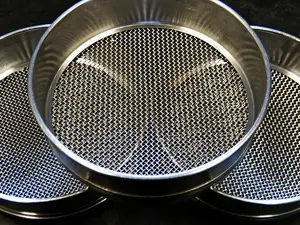
sieve
[siv]
an instrument with a meshed or perforated bottom for straining liquids

fop
[fop]
a man who is excessively vain and concerned about his dress, appearance, and manners