ignoble
adjectiveof low character, aims, etc.; mean; base
What Makes This Word Tick
Ignoble is quite a word, isn't it? It conjures images of behavior that's anything but noble. It's the kind of word you might use to describe a rogue in a classic film or someone stepping far from the path of righteousness. In essence, ignoble captures anything lowly, dishonorable, or simply not living up to fine standards.
If Ignoble Were a Person…
Picture someone constantly cutting in line at the grocery store and never saying "excuse me" when they bump your cart. That's ignoble in action! If ignoble had a persona, it might wear a tattered trench coat and always seem to have an unfair advantage up its sleeve.
How This Word Has Changed Over Time
The word ignoble hasn't undergone the same drastic evolutions as some other English lexicons. Stemming from the Latin "ignobilis," it originally referred to those of humble birth versus our modern equivalent, which focuses more on character than lineage.
Old Sayings and Proverbs That Use Ignoble
While “ignoble” doesn't headline many classic proverbs, the wisdom "noble deeds that are concealed are most esteemed" implies their ignoble counterparts are best left unrevealed. Saying something like "Beware of ignoble acts in regal attire" wouldn't be amiss in the old world.
Surprising Facts About Ignoble
Ignoble may sound a tad negative, but it has some fascinating uses. Did you know it's often the word chosen to highlight someone's fall from grace in classic literature? It's not every day a word can encapsulate the downfall of emperors and everyday people alike!
Out and About With This Word
You might not encounter ignoble in your daily coffee chat, but keep an ear out during crime dramas or when critics review a scoundrel's biography. It's a perfect fit for narratives requiring a touch of scornful judgment.
Pop Culture Moments Where Ignoble Was Used
Believe it or not, ignoble gets a bit of a spotlight in some cheeky contexts! It's surfaced in animated features, like "Shrek," pointing at villainous traits with a wink and a nod, ensuring it doesn't take itself too seriously.
The Word in Literature
Ignoble has made appearances in the works of Shakespeare and Dickens, often reflecting the themes of morality and status. It's a bit of a favorite for novels exploring themes of fall and redemption or human folly.
Moments in History with Ignoble
The ignoble actions of infamous historical figures, like the betrayal of Julius Caesar or the treacherous dealings of Benedict Arnold, show the word in action. Though not always directly mentioned, ignoble is the specter lurking in the background of human history's less celebrated moments.
This Word Around the World
While ignoble is English, the world over has its share of synonyms. From the French "ignoble" to the Spanish "innoble," it seems every language has a way to classify behavior that would cause one's grandmother to disapprove.
Where Does It Come From?
Belonging to a family tree that includes the Latin "nobilis" (meaning noble), ignoble instantly declares itself the black sheep with the prefix "ig," flipping the script to the opposite end of the social spectrum.
How People Misuse This Word
People frequently mix up ignoble with meanings like "poor" or "mediocre," which isn't quite right. Its strong connotation to character or conduct is what sets it apart and makes it special.
Words It's Often Confused With
- Ignorant: Though both start with "igno," ignorance is about lack of knowledge, whereas ignoble speaks to a lack of moral integrity.
- Noble: Its antonym might seem similar, but this refers to high moral qualities.
- Immoral: While similar in theme, immoral actions breach ethical standards, distinct from ignoble's focus on disgraceful or low conduct.
Additional Synonyms and Antonyms
For synonyms, think of words like dishonorable, base, and contemptible, while antonyms include illustrious, respectable, and honorable.
Want to Try It Out in a Sentence?
Sure thing! "The ignoble actions of the knight tarnished his reputation in the kingdom beyond repair."
Explore more words
11 Dumbest Things Middle-Class Americans Waste Money On
See what to cut →
obsequious
[uhb-see-kwee-uhs]
characterized by or showing servile obedience and excessive eagerness to please; deferential; fawning:

cross
[kr-oss]
annoyed, angry, or irritated.

Little-Known Money Hacks That Could Save You Hundreds
Review the list →

Is Staying With the Same Insurer Costing You More?
Explore Your Options →
chasten
[chey-suhn]
to inflict suffering upon for purposes of moral improvement; chastise

mournful
[morn-ful]
feeling or expressing sorrow or grief

These 10 Money Moves Could Save Seniors Hundreds
Read more →

equanimous
[ih-kwan-uh-muhs]
having or showing equanimity; even-tempered
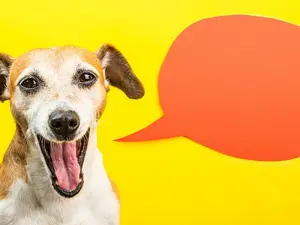
logorrhea
[law-guh-ree-uh]
pathologically incoherent, repetitious speech; incessant or compulsive talkativeness

antic
[an-tik]
a playful trick or prank; caper
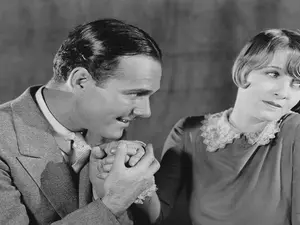
woo
[woo]
to seek the favor, affection, or love of, especially with a view to marriage

zeitgeist
[tsahyt-gahyst]
the defining spirit or mood of a particular period of history as shown by the ideas and beliefs of the time
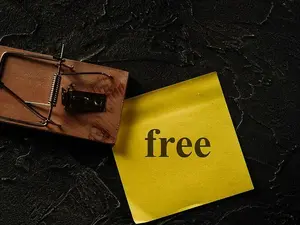
gullible
[guhl-uh-buhl]
easily deceived or cheated
yuppie
[yuhp-ee]
a young, ambitious, and well-educated city-dweller who has a professional career and an affluent lifestyle

cryptic
[krip-tik]
mysterious in meaning; puzzling; ambiguous

hagiography
[hag-ee-og-ruh-fee]
a biography that treats the person with excessive or undue admiration

superfluous
[soo-pur-floo-uhs]
being more than is sufficient or required; excessive
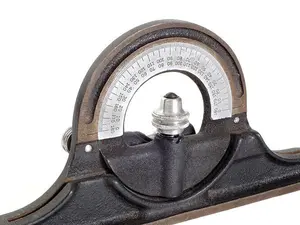
clinometer
[klahy-nom-i-ter]
an instrument used for measuring the angle or elevation of slopes

cache
[kash]
a hiding place, especially one in the ground, for ammunition, food, treasures, etc.