engender
verbto produce, cause, or give rise to
What Makes This Word Tick
"Engender" is a sophisticated verb that implies the cause or the birth of something. It's all about creation and instigation, making it not just a word but an action itself. This word has a certain flair for appearing in academic or literary settings where cultivating ideas or emotions is the focus.
If Engender Were a Person…
Imagine Engender as an artistic maestro, the kind who steps into a room and suddenly everyone is bursting with creative ideas. It's the one responsible for sparking excitement at a dinner table or igniting the debate at a book club meeting.
How This Word Has Changed Over Time
While "engender" has maintained its essence of generating or producing, its application has become more nuanced and abstract over time. Originally tied to the literal act of begetting offspring, it now finds a comfy spot in discussions about abstract creations like ideas or emotions.
Old Sayings and Proverbs That Use Engender
"Engender" isn't the star of any well-known proverbs, but it fits beautifully into the sentiment that "likewise yields likewise," suggesting similar beginnings lead to similar outcomes. It breathes life into notions of cause and effect sewn throughout wisdom traditions.
Surprising Facts About Engender
Despite its serious tone, "engender" dances between genres-it can easily be found in philosophical discussions and science fiction narratives alike. Its surprising versatility is its secret strength.
Out and About With This Word
"Engender" enjoys trotting around conference halls, academic papers, and sometimes even leisurely afternoons spent discussing politics or societal change. It brings a certain gravitas wherever it appears.
Pop Culture Moments Where Engender Was Used
While it may not headline in pop songs or blockbuster films, "engender" finds quiet moments of fame in interviews, talk shows, and TED Talks, where it is often called upon to gracefully express the genesis of ideas.
The Word in Literature
In literature, "engender" is the unsung hero in the grand tapestry of storytelling. It's the word that authors lean on to describe the birth of plot twists or the sudden, unexpected turns in a character's emotional journey.
Moments in History with Engender
Think of the creation of the Declaration of Independence or the moment when Rosa Parks refused to give up her seat. Though the word "engender" might not have been uttered, it perfectly encapsulates the birth of powerful movements and the emotions tied to them.
This Word Around the World
Interestingly, "engender" has variations in many languages that carry similar meanings, often found in romantic languages like French or Spanish. Its use reflects the universal human experience of creation and beginning.
Where Does It Come From?
Hailing from the Latin root "gignere," which means "to create or beget," "engender" has traveled through time into the Middle English "engendren," before reaching its present form.
How People Misuse This Word
People sometimes mistakenly use "engender" when they really mean "generate" or "cause." While similar, "engender" is often implied in contexts of emotional or conceptual origin rather than physical ones.
Words It's Often Confused With
- Generate: Typically involves more physical or basic creation.
- Incite: Has a more negative connotation related to provoking.
- Induce: Frequently implies persuasion or the act of bringing about an effect.
Additional Synonyms and Antonyms
Synonyms include beget, provoke, and instigate-each snuggly fitting in with different contexts of causing something to happen. Antonyms such as destroy or extinguish convey the reversal of creation and birth.
Want to Try It Out in a Sentence?
The empathetic teacher knew how to engender a love of reading in her students, making each story an adventure.
Explore more words

11 Dumbest Things Middle-Class Americans Waste Money On
See what to cut →
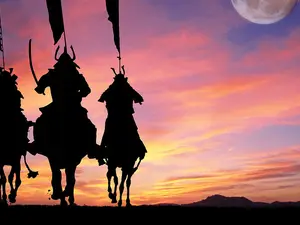
valorous
[val-er-uhs]
showing great courage in the face of danger, especially in battle

clumsy
[klum-zee]
awkward in movement or handling things

Little-Known Money Hacks That Could Save You Hundreds
Review the list →

Is Staying With the Same Insurer Costing You More?
Explore Your Options →

convoluted
[kon-vuh-loo-tid]
complicated; intricately involved

precondition
[pree-kon-dish-un]
a condition that must be met before something else can happen

These 10 Money Moves Could Save Seniors Hundreds
Read more →

marmoreal
[mahr-mawr-ee-uhl]
of or like marble
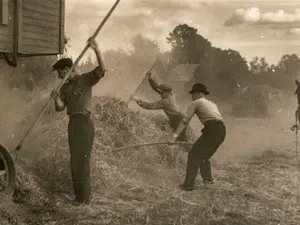
quintessence
[kwin-tes-uhns]
the pure and concentrated essence of a substance
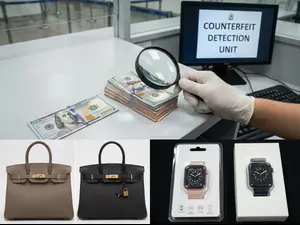
counterfeit
[kown-ter-fit]
fake; false

equanimity
[ee-kwuh-nim-i-tee]
mental or emotional stability or composure, especially under tension or strain; calmness; equilibrium
threnody
[thren-uh-dee]
a poem, speech, or song of lamentation, especially for the dead; dirge; funeral song

absquatulate
[ab-skwoch-uh-leyt]
to flee; abscond

backup
[bak-uhp]
support or reinforcement; a copy of data for safety

malaise
[ma-leyz]
a general feeling of discomfort, illness, or uneasiness whose exact cause is difficult to identify
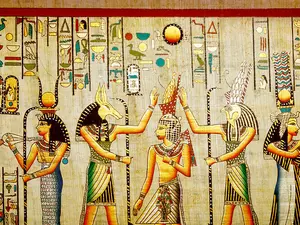
zoomorphic
[zoh-uh-mawr-fik]
characterized by a highly stylized or conventionalized representation of animal forms

banshee
[ban-shee]
(in Irish legend) a female spirit whose wailing warns of an impending death in a house

ingratiating
[in-grey-shee-ey-ting]
charming; agreeable; pleasing; deliberately meant to gain favor

dodecahedron
[doh-dek-uh-hee-druhn]
a three-dimensional shape having twelve plane faces, in particular a regular solid figure with twelve equal pentagonal faces