
dodecahedron
nouna three-dimensional shape having twelve plane faces, in particular a regular solid figure with twelve equal pentagonal faces
What Makes This Word Tick
"Dodecahedron" is a geometric term that rolls off the tongue with a certain mystique. It's a polyhedron with twelve flat faces, each a pentagon, forming a beautiful and symmetrical shape. This word is often a favorite among math enthusiasts and 3D model designers alike.
If Dodecahedron Were a Person…
If dodecahedron were a person, they'd likely be the life of the geometric party, dazzling everyone with their multifaceted personality. Imagine someone who seems to have infinite stories and angles to explore, but with a consistent, grounded perspective that keeps everything in balance.
How This Word Has Changed Over Time
From the Greek words “dodeka” meaning twelve and “hedron” meaning face, this word has kept its scientific charm over the centuries without much alteration. It has remained fairly consistent, always referring to this complex yet fundamentally sound geometric figure.
Old Sayings and Proverbs That Use Dodecahedron
While proverbs specifically using "dodecahedron" are exceedingly rare, its spirit resonates with sayings about complexity and harmony, like “there's more than meets the eye” or “many sides to the story.
Surprising Facts About Dodecahedron
Did you know that a dodecahedron was one of the five Platonic solids known in ancient times? These are the only five regular, convex polyhedral, and the dodecahedron is one member of this exclusive geometric club.
Out and About With This Word
In places like museums, universities, and 3D art exhibitions, “dodecahedron” tends to make an appearance, particularly in discussions of mathematical beauty or when describing intricate sculptures.
Pop Culture Moments Where Dodecahedron Was Used
The world of tabletop gaming loves a good dodecahedron, notably in the form of 12-sided dice used in role-playing games like Dungeons & Dragons. These twelve faces add a bit of geometric elegance to the chaos of a dice roll.
The Word in Literature
While you won't find "dodecahedron" nestled into a common novel, it finds a cozy home in textbooks, academic papers, and occasionally in speculative fiction where geometry runs wild.
Moments in History with Dodecahedron
The Renaissance rekindled an interest in the Platonic solids, with artists and mathematicians like Leonardo da Vinci exploring these shapes. The dodecahedron, with its perfect symmetry, was often a favored subject in the study of mathematics and art.
This Word Around the World
In Italy, it's known as “dodecaedro” while in French, it becomes “dodécaèdre.” Regardless of the language, it universally brings to mind the image of a beautifully intricate object, highlighting the shared joy of geometry across cultures.
Where Does It Come From?
The word "dodecahedron" is rooted in Greek, combining “dodeka” (meaning twelve) and “hedron” (meaning seat or base). This etymology paints a classic picture of a word that captures the beauty of the ancient's fascination with mathematics.
How People Misuse This Word
Sometimes people might misuse "dodecahedron" when they mean any polyhedral. Not all shapes with many faces are dodecahedrons - specificity is key!
Words It's Often Confused With
- Icosahedron: Often confused due to its suffix, but this has 20 faces.
- Decahedron: Missing two faces, this shape only has 10.
- Polyhedron: A broader term for any multi-faced 3D shape.
Additional Synonyms and Antonyms
While there are no direct synonyms for "dodecahedron," as it is a specific geometric term, you might think of related terms like “polyhedron” or “pentagon” (referring to its faces). An antonym in a loose sense might be a “tetrahedron,” with only four faces.
Want to Try It Out in a Sentence?
When he showed the dodecahedron model to his class, the complexity of the twelve pentagonal faces left everyone in awe of its geometric beauty.
Explore more words
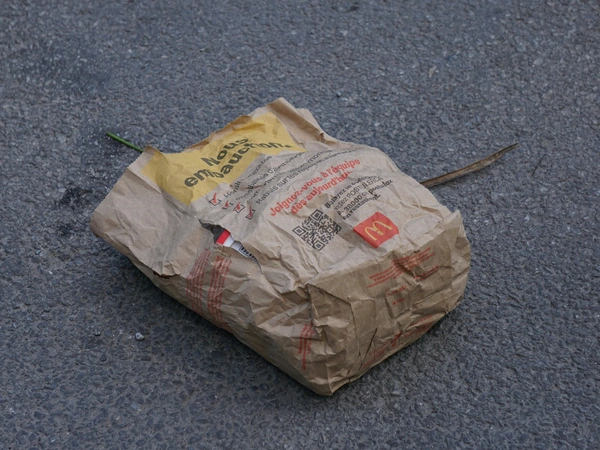
11 Dumbest Things Middle-Class Americans Waste Money On
See what to cut →

manipulate
[muh-nip-yuh-leyt]
to handle or control something skillfully, often with deceit

commission
[co-mmi-ion]
an instruction, command, or role given to a person or group.

Little-Known Money Hacks That Could Save You Hundreds
Review the list →

Is Staying With the Same Insurer Costing You More?
Explore Your Options →

ascetic
[uh-set-ik]
relating to asceticism, the doctrine that one can reach a high spiritual state through the practice of extreme self-denial or self-mortification
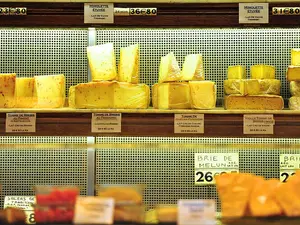
cheesemonger
[cheez-muhng-ger, cheez‐mong‐ger]
a merchant who sells cheese and other dairy products

These 10 Money Moves Could Save Seniors Hundreds
Read more →
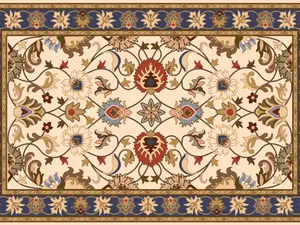
arabesque
[ar-uh-besk]
fine arts; a sinuous, spiraling, undulating, or serpentine line or linear motif

utopia
[yoo-toh-pee-uh]
an ideal place or state

fecund
[fee-kuhn]
producing or capable of producing offspring, fruit, vegetation, etc. in abundance; prolific; fruitful

sordid
[sawr-did]
squalid; wretchedly poor and run-down

insatiable
[in-sey-shuh-buhl]
not satiable; incapable of being satisfied or appeased

sanguine
[sang-gwin]
optimistic or positive, especially in a bad or difficult situation

apathetic
[ap-uh-thet-ik]
showing or feeling no interest or enthusiasm

mangels
[mang-guhls]
large coarse yellow to reddish orange beets grown as food for cattle.

gauche
[gohsh]
lacking social grace or sensitivity
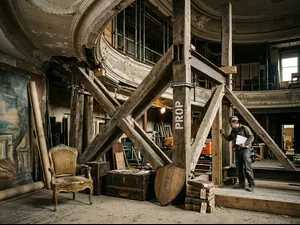
prop
[pr-op]
an object used for support or as part of a performance; also refers to giving assistance or reinforcement.

scamper
[skam-per]
to run or go hastily or quickly

picaresque
[pik-uh-resk]
pertaining to or characterized by a form of prose fiction originally developed in Spain in which the adventures of a roguish hero are described in a series of usually humorous or satiric episodes often depicting the everyday life of the common people