beast
nouna wild or dangerous animal; also used metaphorically for someone or something unruly.
What Makes This Word Tick
"Beast" names something wild, powerful, or dangerous, and it can also be used for anything that feels fierce or hard to control. The word carries both animal force and metaphorical intensity.
If Beast Were a Person…
Beast would be the one with raw energy that fills the space before a word is spoken. They would seem untamed, formidable, and hard to ignore.
How This Word Has Changed Over Time
The core sense of wild animal strength has remained steady, while the metaphorical use expanded to include unruly people, overwhelming tasks, or anything unusually fierce.
Old Sayings and Proverbs
This word fits proverb-style ideas about taming wild force or facing danger with courage.
Surprising Facts
"Beast" can be threatening, admiring, or playful depending on tone. It may insult someone as crude, or praise something as overwhelmingly strong.
Out and About With This Word
You’ll hear it in stories about animals, in dramatic descriptions, and in figurative talk about difficult challenges or powerful performances.
Pop Culture Moments Where Beast Was Used
In pop culture, "beast" often marks a creature, rival, or challenge that feels larger than ordinary life. It is a word built for drama.
The Word in Literature
Writers use "beast" to intensify a scene fast. It can make something feel primal, dangerous, or brutally powerful.
Moments in History with Beast
The idea behind "beast" matters wherever people contrast civility with raw force. It often appears in language that tries to name danger or untamed power.
This Word Around the World
Many languages have words for beast that overlap with animal, monster, or brute depending on context. The shared core is wild strength beyond ordinary control.
Where Does It Come From?
The inventory points to a Latin origin, but the gloss provided does not clearly match the modern sense.
How People Misuse This Word
People sometimes use "beast" for anything merely large, but the word works best when force, ferocity, or unruliness is part of the image.
Words It’s Often Confused With
"Animal" is more neutral, while "beast" adds wildness or menace. It can overlap with "monster," though monster often implies the unnatural while beast can stay within the natural world.
Additional Synonyms and Antonyms
Additional Synonyms: brute, savage creature, feral thing Additional Antonyms: gentle being, civilized person, tame creature
Want to Try It Out in a Sentence?
"The roaring lion was truly a beast, commanding both awe and fear."
Explore more words

11 Dumbest Things Middle-Class Americans Waste Money On
See what to cut →

raze
[reyz]
to shave or scrape off

foolish
[foo-lish]
lacking good sense or judgment

Little-Known Money Hacks That Could Save You Hundreds
Review the list →

Is Staying With the Same Insurer Costing You More?
Explore Your Options →

humility
[hyoo-mil-i-tee]
the quality of having a modest or low view of one’s importance

lauded
[law-did]
praised or extolled; spoken highly of

These 10 Money Moves Could Save Seniors Hundreds
Read more →

totter
[tot-er]
to sway or rock on the base or ground, as if about to fall
bereft
[bih-reft]
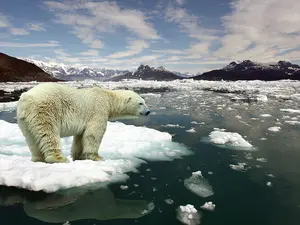
deprived

rejoinder
[ri-join-der]
an answer to a reply; response

caveat
[k-av-eat]
a warning or condition attached to an agreement or statement.

bivouac
[biv-oo-ak]
a military encampment made with tents or improvised shelters, usually without shelter or protection from enemy fire
virulence
[vir-yuh-luhns]
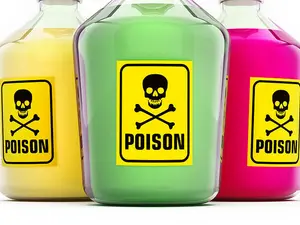
venomous hostility or intense temper

onerous
[oh-ner-us]
burdensome or requiring great effort

indelible
[in-del-uh-buhl]
impossible to eliminate, forget, or change