
angst
nouna feeling of deep anxiety or dread
What Makes This Word Tick
Angst is a heavy kind of inner unease—more like deep anxiety or dread than everyday worry. It’s the word you reach for when the feeling seems to hover and color everything. Compared with calmness or serenity, angst signals a mind bracing for something it can’t quite name.
If Angst Were a Person…
Angst would be the restless person pacing the edge of the room, scanning for what might go wrong. They’re not just nervous; they feel the weight of dread in their posture. Even when nothing is happening, they act like the air is about to crack.
How This Word Has Changed Over Time
Angst still points to deep anxiety or dread, and it’s often used when the emotion feels bigger than a single problem. In modern use, it can describe personal dread as well as a more general mood of unease.
Old Sayings and Proverbs
There aren’t many traditional proverb lines built around angst itself, but the idea matches old wisdom about not borrowing trouble from tomorrow. That’s another way of naming the dread that shows up before anything has actually happened.
Surprising Facts
Angst is often used when the fear is hard to pin down, which makes it useful for describing vague-but-powerful dread. It can carry an emotional tone that feels more intense and lingering than worry. In writing, it’s a quick way to signal pressure building inside a character.
Out and About With This Word
You’ll often see angst used in conversations about emotions, stress, and the kind of dread that sits under the surface. It also appears in storytelling and reviews when a mood of anxiety drives the scene. The word fits best when the feeling is deep, not just momentary jitters.
Pop Culture Moments Where Angst Was Used
In pop culture, angst shows up in coming-of-age stories and tense dramas where characters feel trapped between fear and possibility. It’s the mood behind late-night spirals, looming decisions, and dread that won’t quiet down. The concept works whenever anxiety becomes a central force in the story.
The Word in Literature
Writers use angst to thicken the emotional atmosphere and suggest dread that’s internal rather than purely external. It can sharpen voice by making narration feel tense, vigilant, or emotionally overloaded. As a concept, it’s a strong tool for showing fear that lingers and reshapes perspective.
Moments in History with Angst
Throughout history, the feeling behind angst appears in times of uncertainty, when people anticipate danger without knowing exactly how it will arrive. It also fits personal moments where dread shadows daily life, even without a single clear cause. The concept highlights how fear can exist before facts catch up.
This Word Around the World
Because angst entered English from German, it’s a good reminder that languages often share words for powerful emotions. Many languages have equivalents for deep anxiety or dread, sometimes leaning more toward fear, sometimes toward worry. The shared core is a sense of looming unease.
Where Does It Come From?
Angst was borrowed from German, where it refers to fear or anxiety, and it traces back to an older Germanic root described as angust. That origin matches the modern sense: an intense, tightening feeling of dread.
How People Misuse This Word
Angst is sometimes used for mild annoyance or simple stress, but it usually suggests something deeper—anxiety that feels weighty and persistent. Another slip is treating it as just teenage moodiness; the word can describe dread at any age when the feeling fits.
Words It’s Often Confused With
Worry can be specific and practical, while angst feels deeper and more dread-tinged. Fear often points to a clear threat, but angst can be more diffuse. Apprehension is closer, yet it usually sounds lighter than full-bodied dread.
Additional Synonyms and Antonyms
Additional Synonyms: unease, dreadfulness, alarm, foreboding Additional Antonyms: tranquility, composure, reassurance
Want to Try It Out in a Sentence?
"The novel captured the angst of teenage life perfectly."
Explore more words
11 Dumbest Things Middle-Class Americans Waste Money On
See what to cut →

homogeneity
[hoh-muh-juh-nee-i-tee]
composition from like parts, elements, or characteristics; state or quality of being homogeneous

distend
[dih-stend]
to expand by stretching, as something hollow or elastic

Little-Known Money Hacks That Could Save You Hundreds
Review the list →

Is Staying With the Same Insurer Costing You More?
Explore Your Options →

bassinet
[bas-uh-net]
a basket with a hood over one end, for use as a baby's cradle
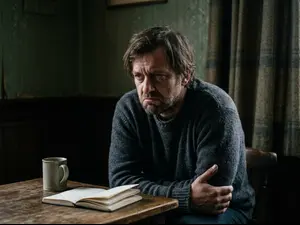
morose
[muh-rohs]
sullen, gloomy, or ill-tempered

These 10 Money Moves Could Save Seniors Hundreds
Read more →
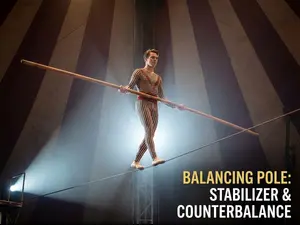
balancer
[bal-un-ser]
something that ensures stability or equilibrium
hegira
[hi-jahy-ruh]
any flight or journey to a more desirable or congenial place

capacious
[kuh-pey-shuhs]
capable of holding much; spacious or roomy

effluvium
[ih-floo-vee-uhm]
a slight or invisible exhalation or vapor, especially one that is disagreeable or noxious

destitute
[des-ti-toot]
without means of subsistence; lacking food, clothing, and shelter

vex
[veks]
to torment; trouble; distress; plague; worry

antipathy
[an-tip-uh-thee]
a strong feeling of dislike

easy-going
[ee-zee-goh-ing]
relaxed and tolerant in attitude or approach

treatise
[tree-tis]
a formal and systematic exposition in writing of the principles of a subject, generally longer and more detailed than an essay

conundrum
[kuh-nuhn-druhm]
a confusing and difficult problem or question

fictive
[fik-tiv]
fictitious; imaginary

insouciant
[in-soo-see-uhnt]
free from concern, worry, or anxiety; carefree; nonchalant