versatile
adjectivecapable of or adapted for turning easily from one to another of various tasks, fields of endeavor, etc.
What Makes This Word Tick
"Versatile" is quite the showstopper in the English language, embodying flexibility and adaptability. Like a Swiss Army knife, this word can be applied to people, objects, or even situations that manage to juggle multiple roles with ease and finesse.
If Versatile Were a Person…
Picture an entertainer who effortlessly switches between singing, acting, and comedy. This dynamo would be the life of every party, impressing all who watch with the ease of slipping into new skins.
How This Word Has Changed Over Time
The essence of "versatile" has remained remarkably consistent over the years although its applications have widened. Originally describing objects or biological traits capable of adaptation, it now brightly shines in personal and professional contexts.
Old Sayings and Proverbs That Use Versatile
"Jack of all trades, master of none." While often seen with a dash of irony, this old saying captures the essence of versatility, celebrating those who can handle many skills, though perhaps not perfect any single one.
Surprising Facts About Versatile
The Latin origin of "versatile," which translates to "turning constantly," is charmingly appropriate. It suggests the ability to pivot gracefully, which has taken root in versatility's steady presence across different languages.
Out and About With This Word
In everyday chat, calling someone versatile gives high praise, highlighting their ability to succeed in diverse roles. It's widely cherished across professions, from chef to tech guru, attesting to one's capacity to adapt and shine in new environments.
Pop Culture Moments Where Versatile Was Used
The music world cherishes the versatile talent of artists like David Bowie, whose ability to reinvent himself has become legendary. The term often pops up in interviews with actors who seamlessly drift between stage and screen.
The Word in Literature
Versatility springs up in literature as a key trait of memorable characters who must adapt to survive, like Odysseus in "The Odyssey" or modern multi-talented protagonists found in thrillers and sci-fi delights.
Moments in History with Versatile
During World War II, Rosie the Riveter symbolized the versatile spirit of women stepping into roles traditionally held by men, illustrating versatility on a national scale and forever changing the workforce dynamics.
This Word Around the World
Globally, versatility shines in Japan's "jū", a concept implying flexibility and resilience found in martial arts and philosophy. Different cultures may associate it with artistic creativity or survival skills, depending on local values.
Where Does It Come From?
The word "versatile" finds its roots in the Latin "versatilis", emphasizing fluid movement and the capacity to embrace variety-a meaning that has aged beautifully through centuries of linguistic evolution.
How People Misuse This Word
Some may mistakenly use "versatile" to suggest mastery of multiple skills, while it more accurately describes the ability to accommodate a range of roles or tasks without necessarily achieving perfection in them all.
Words It's Often Confused With
- Adaptive: While both suggest an ability to change, "versatile" implies a broader application beyond mere adjustment.
- Flexible: This word often refers more to physical pliability, whereas versatile can relate to skills or talents.
- Multifaceted: Both describe diversity in skills, but "multifaceted" is often used for in-depth, distinct aspects within one area.
Additional Synonyms and Antonyms
Synonyms include adaptable, flexible, and resourceful, while antonyms would be rigid, limited, and inflexible.
Want to Try It Out in a Sentence?
"Her versatile skills allowed her to transition from teaching to writing, easily adapting to each new challenge with grace and flair."
Explore more words
11 Dumbest Things Middle-Class Americans Waste Money On
See what to cut →

polysyllabic
[p-olysyll-ab-ik]
consisting of several syllables, often used to describe long or complex words.

droke
[drohk]
a valley with steeply sloping sides
Little-Known Money Hacks That Could Save You Hundreds
Review the list →

Is Staying With the Same Insurer Costing You More?
Explore Your Options →

formless
[f-orml-ess]
without a clear shape or structure; amorphous or undefined.

clean
[kleen]
free from dirt, pollution, or unwanted matter

These 10 Money Moves Could Save Seniors Hundreds
Read more →

interpolate
[in-tur-puh-leyt]
to introduce (something additional or extraneous) between other things or parts; interject; interpose; intercalate
penultimate
[pi-nuhl-tuh-mit]
next to the last

cerulean
[suh-roo-lee-uhn]
deep blue; sky blue; azure

sartorial
[sahr-tawr-ee-uhl]
of or relating to tailors or their trade

obtuse
[uhb-toos]
not quick or alert in perception, feeling, or intellect; not sensitive or observant; dull

piecemeal
[pees-meel]
done piece by piece

perquisite
[pur-kwuh-zit]
an incidental payment, benefit, privilege, or advantage over and above regular income, salary, or wages
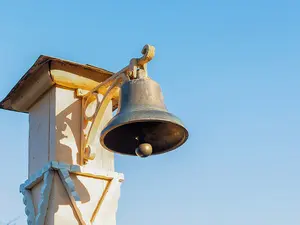
tocsin
[tok-sin]
a bell used to sound an alarm