
nomadic
adjectivewandering from place to place
What Makes This Word Tick
Nomadic describes a lifestyle centered on movement instead of permanent residence. It emphasizes mobility as a defining pattern. Unlike travel, which may be temporary, nomadic suggests ongoing relocation.
If Nomadic Were a Person…
If this word were a person, they would rarely unpack fully. Their home would shift with circumstance. Motion defines them.
How This Word Has Changed Over Time
Nomadic stems from Greek roots referring to pasturing or roaming. Its meaning has remained tied to mobile communities. Today it can also describe modern remote lifestyles.
Old Sayings and Proverbs
Proverb-style wisdom sometimes contrasts the freedom of wandering with the security of staying. Such reflections echo the spirit of nomadic living.
Surprising Facts
Nomadic groups historically moved to follow food sources or climate patterns. The word now also appears in discussions of digital work culture. Context shapes its tone.
Out and About With This Word
You’ll encounter nomadic in anthropology, history, and travel writing. It appears when describing shifting communities. The term signals mobility.
Pop Culture Moments Where Nomadic Was Used
In documentaries and fiction, nomadic characters often embody independence. The word underscores adaptability. It frames freedom and challenge together.
The Word in Literature
Authors use nomadic to evoke movement across landscapes. It adds rhythm to descriptions of journey. The term deepens themes of change.
Moments in History with Nomadic
Historical accounts describe nomadic societies that followed seasonal routes. The word captures patterns of migration. It reflects adaptation to environment.
This Word Around the World
Many cultures have traditions rooted in nomadic movement. While lifestyles differ, mobility remains central. Terminology varies but the concept is widely understood.
Where Does It Come From?
Nomadic derives from Greek nomas, meaning roaming or grazing. The root emphasizes movement in search of resources. Its structure preserves that idea.
How People Misuse This Word
People sometimes use nomadic for frequent travel, but true nomadic living involves ongoing relocation rather than occasional trips. The distinction lies in permanence.
Words It’s Often Confused With
Nomadic is often confused with migratory, which may refer specifically to seasonal movement. It can also be mistaken for itinerant, which often describes traveling workers.
Additional Synonyms and Antonyms
Additional Synonyms: peripatetic, unsettled, transient Additional Antonyms: rooted, fixed, established
Want to Try It Out in a Sentence?
"She embraced a nomadic lifestyle, working remotely from different countries each year."
Explore more words
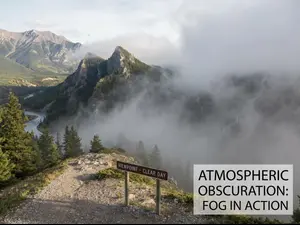
becloud
[b-ekl-oud]
to obscure or make less clear; to cover or overshadow.

crime
[krahym]
an illegal act for which someone can be punished by the government

manavelins
[muh-nav-uh-linz]
miscellaneous pieces of gear and material
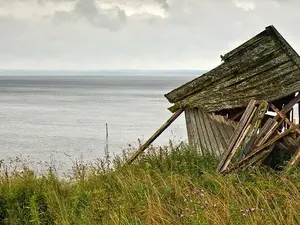
ramshackle
[ram-shak-uhl]
loosely made or held together; rickety; shaky

viscous
[vis-kuhs]
of a glutinous nature or consistency; sticky; thick; adhesive

execrable
[ek-si-kruh-buhl ]
utterly detestable; abominable; abhorrent

afford
[af-for-ord]
have enough money to pay for.

funambulist
[fyoo-nam-byuh-list]
a tightrope walker

exert
[ex-ert-ert]
to put something into use
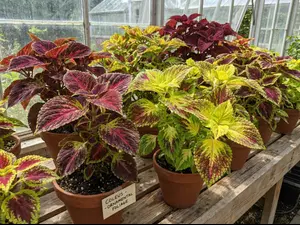
coleus
[koh-lee-uhs]
any of several old world herbs of the mint family that are widely cultivated for their fragrant, often colorful foliage.

drowse
[drouz]
to be dull or sluggish

schadenfreude
[shahd-n-froi-duh]
satisfaction or pleasure felt at someone else's misfortune

obliterate
[uh-blit-uh-reyt]
to blot out or render undecipherable (writing, marks, etc.); efface

horizon
[hih-rai-zun]
the line at which the earth's surface and the sky appear to meet.

attrit
[uh-trit]
to wear down (an opposing military force) by numerical superiority in troops or firepower

cabal
[kuh-bal]
a clique, as in artistic, literary, or theatrical circles