
horizon
nounthe line at which the earth's surface and the sky appear to meet.
What Makes This Word Tick
Horizon names the visual boundary where earth and sky seem to touch. It is not a physical line but a perspective created by distance. Unlike skyline, which focuses on buildings, horizon refers to the natural meeting point in the distance.
If Horizon Were a Person…
If this word were a person, it would be someone who stands at the edge of possibility. They are always just out of reach, drawing others forward. Their presence suggests both limit and invitation.
How This Word Has Changed Over Time
Horizon comes from Greek roots meaning to bound or limit. While its original sense described a physical boundary, it has expanded metaphorically to suggest future possibilities. Today it often signals both distance and expectation.
Old Sayings and Proverbs
Proverb-style expressions speak of something “on the horizon,” meaning soon to appear. This usage builds on the image of distant shapes gradually coming into view.
Surprising Facts
Horizon shifts depending on where a person stands and how high they are. It is a visual illusion shaped by curvature and perspective. The word often bridges science and metaphor.
Out and About With This Word
You’ll encounter horizon in geography, astronomy, and travel writing. It appears when describing landscapes, sunsets, and seascapes. The term evokes openness and distance.
Pop Culture Moments Where Horizon Was Used
In storytelling, a new opportunity is often described as appearing on the horizon. This image suggests change approaching slowly but surely. It creates anticipation.
The Word in Literature
Writers use horizon to symbolize hope, limits, or the unknown. A character gazing toward the horizon often signals longing or transition. The word carries both literal and symbolic weight.
Moments in History with Horizon
Explorers once watched the horizon for signs of land or ships. The word captures the tension of discovery and uncertainty. It reflects the boundary between known and unknown worlds.
This Word Around the World
Most languages have a term for the visible boundary between earth and sky. While phrasing differs, the concept remains rooted in perspective. The metaphorical extension to future possibility is also common.
Where Does It Come From?
Horizon derives from Greek horizein, meaning to limit or define. The root emphasizes boundary and separation. Its modern sense preserves that idea of a distant dividing line.
How People Misuse This Word
People sometimes use horizon to mean any distant object, but it refers specifically to the apparent meeting line of earth and sky. It describes perspective, not a physical structure.
Words It’s Often Confused With
Horizon is often confused with skyline, which highlights urban outlines. It can also be mistaken for foreground, which refers to what is nearest rather than farthest.
Additional Synonyms and Antonyms
Additional Synonyms: boundary, vista, distance Additional Antonyms: immediacy, proximity
Want to Try It Out in a Sentence?
"The sun slipped below the horizon, painting the sky in shades of gold."
Explore more words

ostracism
[os-tra-ism]
exclusion from a group

exploit
[ex-plo-oit]
make full use of and derive benefit from
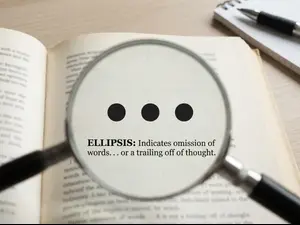
ellipsis
[ih-lip-sis]
omission of one or more words that are obviously understood but must be supplied to make a construction grammatically complete.

avaricious
[av-uh-rish-uhs]
characterized by avarice; greedy; covetous

incendiary
[in-sen-dee-er-ee]
tending to arouse strife, sedition, etc.; inflammatory
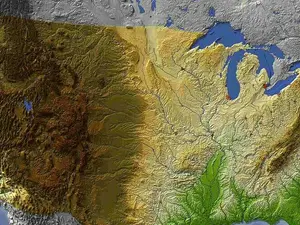
conterminous
[kuhn-tur-muh-nuhs]
having a common boundary

uitwaaien
[out-vahyn]
the Dutch practice of jogging or walking into the wind, especially in the winter, for the purpose of feeling invigorated while relieving stress and boosting one’s general health

evince
[ev-inc-nce]
to show, reveal

noob
[noob]
a newbie, especially a person who is new to an online community and whose online participation and interactions display a lack of skill or knowledge

beguile
[bih-gahyl]
charm or enchant (someone), sometimes in a deceptive way

satirical
[suh-tir-i-kuhl]
of, pertaining to, containing, or characterized by satire

apparel
[uh-par-uhl]
clothing or garments

bauble
[baw-buhl]
a showy, usually cheap, ornament; trinket; gewgaw

mosaic
[moh-zey-ik]
a picture or decoration made of small, usually colored pieces of inlaid stone, glass, etc.

palatable
[pal-uh-tuh-buhl]
acceptable or agreeable to the palate or taste; savory

antisocial
[ant-is-ok-ial]
avoiding social interaction or behaving in a way that is harmful to society.