
matutinal
adjectivepertaining to or occurring in the morning; early in the day
What Makes This Word Tick
"Matutinal" is one of those delightful words that paints a picture of the morning in just a few syllables. It's all about the early hours of the day, capturing the essence of dawn's fresh promise and potential. If you're an early bird, this word might feel like your best friend, quietly celebrating those sunlit beginnings.
If Matutinal Were a Person…
Picture a chipper morning jogger who greets the day with a smile and a spring in their step. This person would always be ready with a cheerful "good morning," perhaps even while brewing the first pot of coffee before anyone else is awake. They're the kind who relishes the quiet calm before the world stirs.
How This Word Has Changed Over Time
"Matutinal" has consistently held onto its early-bird charm, never losing sight of its dawn-related meaning. While it hasn't swayed from this focus, it's a word that often flies under the radar, living in the shadow of its popular cousin, "nocturnal," which describes night owls.
Old Sayings and Proverbs That Use Matutinal
Although "matutinal" isn't directly found in age-old proverbs, the concept it embodies shines through in sayings like "The early bird catches the worm," underscoring the benefits of early rising.
Surprising Facts About Matutinal
The word traces back to the Latin "matutinus," meaning "of the morning." It shares this root with "matins," the morning prayer service in the Christian liturgy. Despite its pleasant nature, it's a rare gem, mainly seen in print or specialty discussions about dawn-loving creatures.
Out and About With This Word
If you're keen on spotting "matutinal" in everyday life, try observing nature. Many birds and insects are matutinal, buzzing or chirping away in the crisp morning air when the sunrise paints the sky.
Pop Culture Moments Where Matutinal Was Used
This isn't a word you often find on the silver screen or in hit songs. However, it occasionally makes an appearance in environmental documentaries or writings that highlight the beauty and behavior of creatures that thrive at daybreak.
The Word in Literature
Literature often basks in morning's glow, and while "matutinal" isn't as ubiquitous as some other terms, it does flutter through poems and naturalist essays that revel in the awakening world.
Moments in History with Matutinal
Imagine the historic dawn of a new era-literally. From suffragettes at the break of day to dawn raids in military history, "matutinal" captures the spirit of early risers launching significant movements or operations with the first light.
This Word Around the World
In other languages, the morning has its unique descriptors. The French say "matinal," while in Spanish, it's "matutino." These reflect similar ideas, showcasing the worldwide admiration that the start of the day inspires.
Where Does It Come From?
As mentioned, "matutinal" borrows from the Latin "matutinus," which brings to mind the beauty and fresh energy that the morning promises. The word has carried this meaning through centuries of linguistic evolution.
How People Misuse This Word
People might confuse "matutinal" with "matutine" or use it interchangeably with "morning," though it specifically describes attributes or creatures active in the morning, not just the time itself.
Words It's Often Confused With
- Nocturnal: Often mixed up as the opposite, this describes nighttime activity.
- Morning: A broader term referring to the time of day, not just the characteristic of being active during it.
- Diurnal: This one covers daytime activity in general, whereas "matutinal" focuses strictly on the morning.
Additional Synonyms and Antonyms
Synonyms include "morning" and "early". A fitting antonym would be "vespertine," which describes evening-related activities or characteristics.
Want to Try It Out in a Sentence?
"The garden was alive with matutinal creatures, each greeting the first rays of sunlight with unique symphonies of sound."
Explore more words

flippant
[flip-uhnt]
frivolously disrespectful, shallow, or lacking in seriousness

plaintiff
[pleyn-tif]
petitioner (in court of law)

amalgamate
[uh-mal-guh-meyt ]
to mix or merge, as to make a combination; blend; unite; combine

lucubrate
[loo-kyoo-breyt]
to write learnedly

antipathy
[an-tip-uh-thee]
a deep-seated feeling of dislike

rapprochement
[rap-rohsh-mahn]
an establishment or resumption of harmonious relations

dilute
[dih-loot]
to make less concentrated ; to diminish the strength or flavor of something.

marital
[mar-i-tl]
of or relating to marriage; conjugal; matrimonial

complacency
[kuhm-pley-suhn-see ]
a feeling of quiet pleasure or security, often while unaware of some potential danger, defect, or the like; self-satisfaction or smug satisfaction with an existing situation, condition, etc.

frightening
[fryt-ning]
causing fear or alarm

parboil
[pahr-boil]
to boil for a short amount of time; pre-cook

hygge
[hoog-uh]
(especially in reference to the Danish lifestyle) the feeling of coziness and contentment evoked by simple comforts, as being wrapped in a blanket, having good conversations, enjoying food, etc.
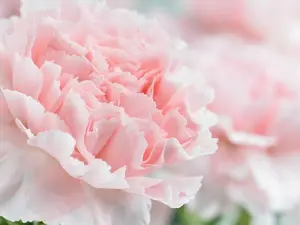
carnation
[kahr-ney-shuhn]
any of numerous cultivated varieties of the clove pink, Dianthus caryophyllus, having long-stalked, fragrant, usually double flowers in a variety of colors: the state flower of Ohio

despicable
[des-pi-kuh-buhl]
deserving to be despised, or regarded with distaste, disgust, or disdain; contemptible

blatant
[bleyt-nt]
brazenly obvious; flagrant

virtuoso
[vur-choo-oh-soh]
a person who excels in musical technique or execution