
gourmand
nouna person who is fond of good eating, often indiscriminatingly and to excess
What Makes This Word Tick
"Gourmand" is a delightful term that celebrates indulgence in the finer tastes of life. It's often used to describe someone with a deep appreciation-and appetite-for good food and drink. Unlike a mere foodie who may be in it for the Instagram shots, a gourmand dives fork-first into the experience, savoring every nuanced flavor.
If Gourmand Were a Person…
Imagine a jovial individual with a perpetual twinkle in their eye, never one to shy away from an extra helping or a second glass. This person is your go-to for restaurant recommendations and likely drapes napkins on their lap with delectably careless abandon. Their kitchen? Stocked full of exotic spices and their favorite trusty pan.
How This Word Has Changed Over Time
Originally, being labeled a gourmand suggested a bit of greed or gluttony-in contrast to today's more refined connotations. Over time, the less flattering aspects have peeled away, leaving a word that now often implies a refined palate and an insatiable curiosity for culinary delights.
Old Sayings and Proverbs That Use Gourmand
While there aren't many ancient proverbs featuring "gourmand," you might imagine something along the lines of "A gourmand knows no hunger" fitting right in at a medieval feast. This goes to show that the love of good food has been a universal and timeless pleasure.
Surprising Facts About Gourmand
Gourmand finds its roots in Old French, linked to the word "gourmet," but originally carried negative connotations of overindulgence. There's even a modern-day competition in France called "La Semaine du Goût" where gourmands unite to celebrate taste.
Out and About With This Word
"Gourmand" often steps out on the gastronomic stage at wine tastings, food festivals, and even in the world of literature, particularly in cookbooks. It thrives in environments where enthusiasm for food is celebrated with gusto.
Pop Culture Moments Where Gourmand Was Used
The term "gourmand" surfaces in various films and shows, often to describe characters with a flair for indulgence, like Anton Ego, the food critic in Pixar's "Ratatouille," whose discerning palate is legendary-but he'd argue with the term, finding "gourmet" more his style.
The Word in Literature
This word feels right at home in the culinary novels of Ruth Reichl and Anthony Bourdain's biting culinary adventures. You might find it sprinkled throughout any book aiming to tempt your taste buds and whisk you away to far-off lands through the magic of food.
Moments in History with Gourmand
Imagine a scene from the Renaissance period, with indulgent feasts and banquets laid out for royalty. Although not directly recorded, "gourmand" would fit perfectly into the vibrant and extravagant food culture of such an era.
This Word Around the World
In France, "gourmand" is akin to an enthusiastic foodie. It maintains its flavor worldwide but spices it differently-In Japan, you might find it nestled in the intricate tastes of an Omakase sushi menu, emphasizing quality and the delight of eating.
Where Does It Come From?
The origins of "gourmand" lie in the French language and it initially described those with a ravenous appetite. It shares linguistic roots with "gourmet," though the latter has taken on a more sophisticated tone historically.
How People Misuse This Word
Some may mistakenly use "gourmand" to imply snootiness or a gourmet-level expertise. However, a true gourmand can revel equally in a perfectly grilled cheese sandwich as in a Michelin-starred dish.
Words It's Often Confused With
- Gourmet: Implies more sophistication and expertise.
- Glutton: Suggests excessive eating without the appreciation of quality.
- Foodie: More casual and sometimes focuses on trendy dining rather than taste.
Additional Synonyms and Antonyms
Synonyms include epicure, food lover, and bon vivant. Antonyms would be terms like ascetic or non-foodie, suggesting simplicity or indifference to food's pleasures.
Want to Try It Out in a Sentence?
"Ever the gourmand, Julian never missed an opportunity to explore the newest vineyard or sample an untried dish, his taste buds as adventurous as his spirit."
Explore more words

11 Dumbest Things Middle-Class Americans Waste Money On
See what to cut →

guileless
[gahyl-lis]
free from guile; sincere; honest; straightforward; frank

malaise
[ma-leyz]
a general feeling of discomfort, illness, or uneasiness whose exact cause is difficult to identify

Little-Known Money Hacks That Could Save You Hundreds
Review the list →

Is Staying With the Same Insurer Costing You More?
Explore Your Options →

aerostat
[air-uh-stat]
an airship or hot-air balloon, especially one that is tethered

williwaw
[wil-ee-waw]
a sudden violent squall blowing offshore from a mountainous coast

These 10 Money Moves Could Save Seniors Hundreds
Read more →
feckless
[fek-lis]
lacking initiative or strength of character; irresponsible

overhang
[oh-ver-hang]
to extend or project over something

misbegotten
[mis-bi-got-n]
badly conceived, made, or carried out

close-fisted
[klohs-fist-id]
stingy or unwilling to spend money

sanctimonious
[sangk-tuh-moh-nee-uhs]
making a hypocritical show of religious devotion, piety, righteousness
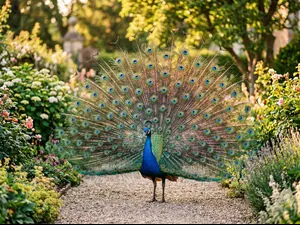
resplendent
[ri-splen-duhnt]
attractive and impressive through being richly colorful or sumptuous

garrulous
[gar-uh-luhs]
excessively talkative, especially on trivial matters

tumultuous
[too-muhl-choo-uhs]
full of tumult or riotousness; marked by disturbance and uproar

languor
[lang-ger ]
lack of energy or vitality; sluggishness

mingling
[ming-ling]
mixing or interacting with others

cadenza
[kuh-den-zuh]
an elaborate flourish or showy solo passage, sometimes improvised, introduced near the end of an aria or a movement of a concerto

besmirch
[bih-smurch]
to detract from the honor or luster of