
elegant
Verbgraceful and stylish in appearance or manner
What Makes This Word Tick
Elegant describes something marked by grace, style, and refined simplicity. It suggests beauty without excess and confidence without showiness. Unlike flashy, which draws attention loudly, elegant achieves impact through restraint.
If Elegant Were a Person…
If this word were a person, they would move with quiet confidence and careful poise. They would never need to boast, because their presence speaks for itself. Their style would be deliberate rather than loud.
How This Word Has Changed Over Time
Elegant has long been associated with refined taste and pleasing form. Over time, it expanded beyond fashion to describe solutions, arguments, and designs. Today, it can signal both physical beauty and intellectual clarity.
Old Sayings and Proverbs
Proverb-style wisdom often praises simplicity as the highest form of refinement. This idea reflects the heart of elegance: achieving beauty through balance and restraint.
Surprising Facts
Elegant is frequently used in mathematics and science to describe solutions that are simple yet powerful. It applies not only to appearance but also to structure and reasoning. The word often implies efficiency combined with beauty.
Out and About With This Word
You will hear elegant in fashion, architecture, and event descriptions. It also appears in professional settings when praising well-crafted plans or presentations. The term signals admiration grounded in taste rather than extravagance.
Pop Culture Moments
In film and media, an elegant character often contrasts with a chaotic or flamboyant one. Their composure sets them apart. The word highlights poise more than spectacle.
The Word in Literature
Writers use elegant to evoke smoothness in style or character. It can describe flowing prose as easily as a refined figure. The word carries an air of controlled beauty.
Moments in History
Design movements that favor clean lines and balanced proportions often reflect ideals associated with elegance. The emphasis lies in harmony and proportion rather than ornamentation.
This Word Around the World
Many languages express elegance through terms meaning refined or graceful. The shared emphasis is on balance, taste, and measured beauty. Cultural standards vary, but the core idea of poised refinement remains consistent.
Where Does It Come From?
Elegant comes from Latin elegans, meaning refined or tasteful. Its roots suggest careful selection and discernment. The word has retained this connection to refined choice and cultivated style.
How People Misuse This Word
People sometimes use elegant to mean simply expensive or decorative. However, elegance does not require luxury; it requires harmony and restraint. Over-decoration can actually undermine elegance.
Words It’s Often Confused With
Stylish emphasizes current fashion or trend. Sophisticated suggests complexity or worldly knowledge. Graceful overlaps closely but focuses more on movement than overall refinement.
Additional Synonyms and Antonyms
Additional Synonyms: polished, tasteful, poised, dignified Additional Antonyms: gaudy, crude, unrefined
Want to Try It Out in a Sentence?
"The bride looked elegant in her white gown adorned with lace."
Explore more words

11 Dumbest Things Middle-Class Americans Waste Money On
See what to cut →

hoot
[h-oot]
a sound made by an owl; also refers to laughter or a loud noise of disapproval or excitement.

lugubrious
[loo-goo-bree-us]
mournful, gloomy, or sad in an exaggerated way

Little-Known Money Hacks That Could Save You Hundreds
Review the list →

Is Staying With the Same Insurer Costing You More?
Explore Your Options →

cicerone
[sis-uh-roh-nee]
a guide who gives information about antiquities and places of interest to sightseers

comport
[kuhm-pawrt]
to bear or conduct (oneself); behave

These 10 Money Moves Could Save Seniors Hundreds
Read more →
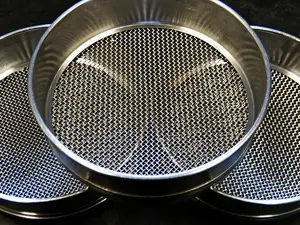
sieve
[siv]
an instrument with a meshed or perforated bottom for straining liquids

contemplative
[kon-tem-pluh-tiv]
expressing or involving prolonged thought

gourmand
[goor-mahnd]
a person who is fond of good eating, often indiscriminatingly and to excess
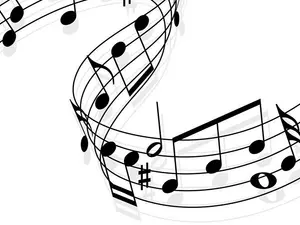
abgesang
[ab-guh-zong]
the concluding section in musical and poetic bar form

predestination
[pre-des-ti-nay-shun]
the belief that all events are determined in advance by fate

brackish
[brak-ish]
having a slightly salty or briny flavor

fidelity
[fi-del-i-tee]
strict observance of promises, duties, etc.

arabesque
[ar-uh-besk]
fine arts; a sinuous, spiraling, undulating, or serpentine line or linear motif

jubilant
[joo-buh-luhnt]
showing great joy, satisfaction, or triumph; rejoicing; exultant

peremptory
[puh-remp-tuh-ree]
leaving no opportunity for denial or refusal; imperative

plotz
[plots]
to collapse or faint, as from surprise, excitement, or exhaustion

complacent
[kuhm-pley-suhnt]
agreeable and eager to please