
dissolve
verbto mix into a liquid so that it becomes part of the solution
What Makes This Word Tick
Dissolve describes a shift from distinct to blended, where something stops standing apart and becomes part of a liquid. It’s more specific than “melt,” because melting changes state, while dissolving creates a mixture at the particle level.
If Word Were a Person
This word would be the quiet mediator who helps boundaries fade and parts blend into a whole. It doesn’t smash things; it makes them stop being separate.
How This Word Has Changed Over Time
Dissolve has long carried the idea of breaking apart or loosening into something else. Modern usage keeps the science sense strong, while also allowing a gentle metaphor for things that fade away.
Old Sayings and Proverbs
Dissolve isn’t common in set proverbs, but it matches the familiar image of problems “melting away.” The point is disappearance through blending, not through sudden removal.
Surprising Facts
Dissolve can be surprisingly precise: something can look like it disappeared even though it’s still present in solution. That’s why the word often pairs with stirring, heat, or time.
Out and About With This Word
You’ll see dissolve in cooking, cleaning, and science explanations. It shows up wherever the key action is “becoming part of the liquid” rather than floating or settling.
Pop Culture Moments
In stories, tension can “dissolve” when barriers soften and people stop holding their ground. The word fits scenes where separation fades gradually instead of snapping.
The Word in Literature
Writers use dissolve to create smooth transitions—between scenes, emotions, or states of mind. It can make a change feel soft-edged, as if one moment blends into the next.
Moments in History
The concept of dissolving matters in any setting where mixtures and materials shape outcomes—food preparation, cleaning practices, and experimental work. It’s a simple word for a process that makes transformation visible.
This Word Around the World
Many languages use a verb that means “to dissolve” in both literal and figurative ways. The shared image is consistent: distinctness giving way to mixture.
Where Does It Come From
Dissolve is tied to the idea of loosening apart, which still describes what happens when something becomes part of a solution.
How People Misuse This Word
Dissolve is sometimes used when people mean “dilute,” but dilution changes concentration, not the act of becoming part of the liquid. It’s also different from “melt,” which doesn’t require a solvent.
Words It’s Often Confused With
Melt changes a solid into liquid without needing another liquid. Dilute reduces strength by adding more liquid, even if nothing new dissolves. Disperse can mean spreading out, but not necessarily forming a true solution.
Additional Synonyms and Antonyms
Additional Synonyms: blend, solubilize, break down Additional Antonyms: crystallize, set, stiffen
Example Sentence
"The sugar dissolved into the hot tea as she stirred."
Explore more words
11 Dumbest Things Middle-Class Americans Waste Money On
See what to cut →

implement
[im-ple-ent]
an instrument, utensil, tool

scoundrel
[sk-oundr-el]
a dishonest or morally corrupt person.

Little-Known Money Hacks That Could Save You Hundreds
Review the list →

Is Staying With the Same Insurer Costing You More?
Explore Your Options →
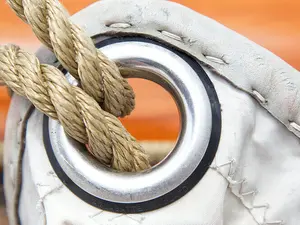
grommet
[grom-it]
an eyelet placed in a hole in a sheet or panel to protect or insulate a rope or cable passed through it or to prevent the sheet or panel from being torn

meretricious
[mer-i-trish-uhs]
alluring by a show of flashy or vulgar attractions; tawdry

These 10 Money Moves Could Save Seniors Hundreds
Read more →

mournful
[morn-ful]
feeling or expressing sorrow or grief

gallop
[gal-uhp]
to run rapidly by leaps, as a horse; go at a gallop

disquieting
[dis-kwahy-i-ting]
causing anxiety or uneasiness; disturbing

politeness
[puh-lahyt-nes]
behavior that is respectful and considerate of others

vocational
[voh-key-shuh-nl]
of, relating to, or connected with a vocation or occupation

acrimonious
[ak-ruh-moh-nee-uhs]
caustic, stinging, or bitter in nature, speech, behavior, etc.

teeming
[tee-ming]
abounding or swarming with something, as with people

embargo
[em-bar-goh]
an official ban on trade or other commercial activity with a particular country.