astonish
verbto greatly surprise or amaze someone
What Makes This Word Tick
To astonish is to greatly surprise or amaze someone, usually in a way that interrupts their expectations. It suggests a bigger jolt than ordinary surprise—something that makes people pause and react. The word often carries a sense of sudden impact, like a moment that changes the mood in the room.
If Astonish Were a Person…
Astonish would be the friend who loves the perfect reveal and waits for the exact second your eyes widen. They’re dramatic in a controlled way—more “ta-da” than chaos. They live for that split second when everyone’s brain says, “Wait—what?”
How This Word Has Changed Over Time
Astonish has kept its core meaning of causing great surprise, and modern usage still centers on that strong, reaction-triggering effect. What shifts most is the setting—today it can apply to anything from a clever idea to a shocking outcome. The sense stays consistent: someone is left amazed.
Old Sayings and Proverbs
A proverb-style idea that fits astonish is that the unexpected hits hardest when you were sure you knew what was coming. That matches the definition: the feeling lands because expectations get flipped.
Surprising Facts
Astonish often implies a visible reaction—people are amazed, speechless, or momentarily stunned. It’s stronger than “surprise” in everyday tone, and it tends to be used when the effect feels memorable. The word also pairs naturally with achievements, revelations, and unexpected twists.
Out and About With This Word
You’ll often see astonish in storytelling, reviews, and everyday retellings when someone describes a moment that truly wowed them. It fits performances, big reveals, surprising results, and unexpected kindness. It’s especially useful when “surprise” feels too mild for what happened.
Pop Culture Moments Where Astonish Was Used
In pop culture, this idea shows up in scenes built around reveals—plot twists, spectacular feats, or shocking truths that change what characters believe. It also fits talent-show moments and clever heists where the payoff is a stunned audience. The concept matches the word because the point is a big, unmistakable reaction.
The Word in Literature
In literary writing, astonish is often used when authors want to mark a turning point in a character’s awareness—something that breaks the ordinary flow of thought. It can sharpen tone by signaling wonder, disbelief, or sudden awe. The word helps readers feel the “impact moment” instead of just being told something was surprising.
Moments in History with Astonish
Throughout history, this concept appears in situations where unexpected outcomes reshape decisions—discoveries, dramatic reversals, or surprising feats that change what people think is possible. Astonishment matters because it can shift attention fast and open minds to new ideas. The definition fits because the reaction is the point: great surprise that stops you in your tracks.
This Word Around the World
Many languages have a close equivalent for “greatly surprise,” though some split the idea into “shock” versus “amaze.” Expression can vary depending on whether the feeling is joyful wonder or stunned disbelief. The shared meaning remains: causing powerful surprise.
Where Does It Come From?
Astonish comes through Old French, linked to a sense of being stunned, with roots connected to thunder—an image that matches the word’s impact. That origin helps explain why it feels stronger than everyday surprise. Even now, the word carries a hint of a sudden, striking jolt.
How People Misuse This Word
People sometimes use astonish for small surprises, but the word usually implies a bigger “wow” factor. Another common slip is overusing it until it loses strength; it works best when the reaction truly is intense and memorable.
Words It’s Often Confused With
Astonish overlaps with “astound,” though astound can feel a bit more intense or formal. It can be confused with “shock,” which often carries a more negative or alarming tone. And it’s stronger than “surprise,” which can be mild or routine.
Additional Synonyms and Antonyms
Additional Synonyms: stun, shock, dumbfound, bewilder Additional Antonyms: underwhelm, reassure, calm, placate
Want to Try It Out in a Sentence?
"The magician’s final trick never failed to astonish the audience."
Explore more words

11 Dumbest Things Middle-Class Americans Waste Money On
See what to cut →

sordid
[sawr-did]
morally ignoble or base; vile
breviloquent
[bre-vil-uh-kwuhnt]
speaking or expressed in a concise or terse style; using brevity of speech

Little-Known Money Hacks That Could Save You Hundreds
Review the list →

Is Staying With the Same Insurer Costing You More?
Explore Your Options →

adamantine
[ad-uh-man-teen]
too hard to cut, break, or pierce

synchrony
[sing-kruh-nee]
simultaneous occurrence; synchronism

These 10 Money Moves Could Save Seniors Hundreds
Read more →

scoundrel
[sk-oundr-el]
a dishonest or morally corrupt person.

hesitant
[hez-i-tant]
slow to act or speak due to uncertainty
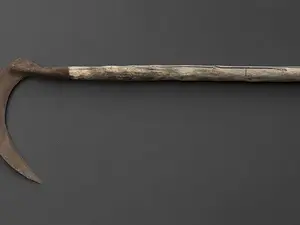
scythe
[sahyth]
an agricultural tool with a long, curving blade that sits at an angle on the handle

evanescent
[ev-uh-nes-uhnt]
soon passing out of sight, memory, or existence; quickly fading or disappearing

caustic
[kaw-stik]
able to burn or corrode organic tissue; severely critical or sarcastic

instauration
[in-staw-rey-shuhn]
renewal or restoration
insatiable
[in-sey-shuh-buhl]
not satiable; incapable of being satisfied or appeased

teeming
[tee-ming]
abounding or swarming with something, as with people

boggy
[bog-ee]
wet and spongy ground
predecessor
[pred-uh-ses-er]
something or someone succeeded or replaced by something else

demagogue
[dem-uh-gog]
a political leader who seeks support by appealing to the desires and prejudices of ordinary people rather than by using rational argument

crank
[krank]
a handle or lever turned to operate machinery; a person with odd ideas