
arable
adjectivecapable of producing crops; suitable for farming; suited to the plow and for tillage
What Makes This Word Tick
"Arable" is one of those words that quietly commands respect in the farming community. It describes land that's ready and able to grow crops, like a well-tuned guitar awaiting a musician's touch. If something is arable, it's bursting with potential, ready to turn a little rain and sunshine into a bountiful harvest. Not bad for a seven-letter word!
If Arable Were a Person…
Imagine Arable as your straightforward and dependable neighbor, the kind who is always ready to lend a hand with your garden. They'd have a green thumb, a sunhat, and perhaps a pair of muddy boots, hinting at their close relationship with nature. Unsurprisingly, they'd be a master at making things grow, whether it's a vegetable patch or the local community spirit.
How This Word Has Changed Over Time
Over the centuries, "arable" has stayed true to its roots, much like an ancient oak tree. Deriving from the Latin word "arabilis," meaning "plowable," it has remained firmly planted in agricultural contexts. It's a word that hasn't needed much evolution because its meaning and significance are as vital today as they were in ye olde times of plowing fields with oxen.
Old Sayings and Proverbs That Use Arable
While "arable" might not pop up in proverbs as often as "early birds" and "rolling stones," it embodies the spirit of sayings like "reap what you sow." Using arable land well is all about preparation and effort, and these echoes of wisdom remind us that success often starts with readying the ground beneath our feet.
Surprising Facts About Arable
Did you know that only about 11% of the world's land surface is considered arable? It's interesting to think just how precious good, farmable land is on our planet. Also, some countries are renowned for their arable land, like Bangladesh, which has a high percentage of its land area dedicated to cultivation of rice and other crops.
Out and About With This Word
Next time you're driving through the countryside, keep an eye out for fields of wheat or corn swaying in the breeze. Those picturesque scenes rely on arable land, working its quiet magic. The next tractor you see might be tilling arable land, preparing it for the next cycle of nature's grand performance.
Pop Culture Moments Where Arable Was Used
While "arable" isn't the kind of word that headlines hit songs or blockbuster movies, it's central to any tale about farming or rural life. Think of the movie "Interstellar," where the survival of humanity hinged upon finding new arable planets. It might not get the glory, but arable land is the unsung hero of agrarian stories everywhere.
The Word in Literature
Arable land is often depicted in American classics like John Steinbeck's "The Grapes of Wrath," where the fertility of the land is both a lifeline and a source of struggle. It's not just about the soil but also about the hope and hardship bound up in the life of those who work it.
Moments in History with Arable
In the Dust Bowl of the 1930s, millions of people experienced the tragedy of once-arable land turning into barren dust due to drought and poor farming techniques. It's a historical example of how crucial it is to maintain and respect arable land for sustainable agricultural practices to prevent such calamities.
This Word Around the World
In the Netherlands, arable land isn't always a given-those creative Dutch folks often create it by reclaiming land from the sea! Meanwhile, in Egypt, there's a vast difference between the arable banks of the Nile and the vast desert sands. These global differences showcase the various ways "arable" plays a part in national identities.
Where Does It Come From?
"Arable" traces back to Latin roots, from "arabilis," related to plowing. It's been part of the English language since the Middle Ages, a time when land was as much a treasure as gold. In its essence, arable is all about land that can be cultivated.
How People Misuse This Word
People sometimes use "arable" when they mean "fertile," but there's a subtle distinction. Arable refers to land that can be plowed and used for crops, while fertile means the soil is rich with the nutrients necessary for a good yield. Not all arable land is inherently fertile!
Words It's Often Confused With
- Fertile: While both refer to productive land, fertile speaks to nutrient-rich soil, while arable is about the land's capability to be farmed.
- Pasture: Often confused due to its agricultural context, but pasture refers to land used for grazing rather than growing crops.
- Cultivable: This word is sometimes used interchangeably but also connotes the readiness of land for cultivation.
Additional Synonyms and Antonyms
Synonyms for arable include plowable and tillable, both indicating land that can be worked. Its antonyms would be barren or infertile, suggesting a lack of ability to support sustainable agriculture.
Want to Try It Out in a Sentence?
"When buying a farm, it's wise to check how much of the land is arable to ensure productive harvests in years to come."
Explore more words
11 Dumbest Things Middle-Class Americans Waste Money On
See what to cut →

chockablock
[chok-uh-blok]
extremely full; crowded; jammed

discursive
[dih-skur-siv]
passing aimlessly from one subject to another; digressive; rambling

Little-Known Money Hacks That Could Save You Hundreds
Review the list →

Is Staying With the Same Insurer Costing You More?
Explore Your Options →

flame
[flaym]
a hot, glowing body of ignited gas

utopia
[yoo-toh-pee-uh]
an ideal place or state

These 10 Money Moves Could Save Seniors Hundreds
Read more →

mollycoddle
[mol-ee-kod-l]
to coddle; pamper

abeyance
[uh-bey-uhns]
temporary inactivity, cessation, or suspension

pleonasm
[plee-uh-naz-uhm]
the use of more words than are necessary to express an idea; redundancy
feckless
[fek-lis]
lacking initiative or strength of character; irresponsible
douse
[dous]
to splash or throw water or other liquid on; drench
skulk
[skuhlk]
to lie or keep in hiding, as for some evil reason

meretricious
[mer-i-trish-uhs]
alluring by a show of flashy or vulgar attractions; tawdry
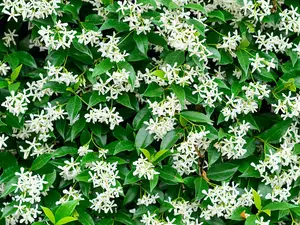
ambrosial
[am-broh-zhul]
exceptionally pleasing to taste or smell
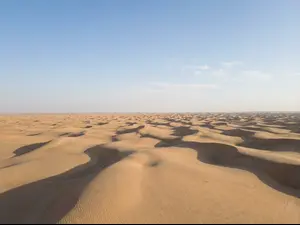
expansive
[ik-span-siv]
covering a wide area; extensive

sanskrit
[san-skrit]
an ancient language of india, the classical language of hinduism.
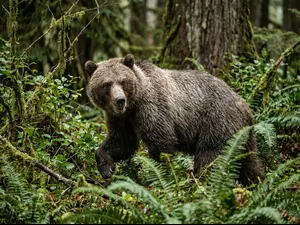
beast
[b-east]
a wild or dangerous animal; also used metaphorically for someone or something unruly.
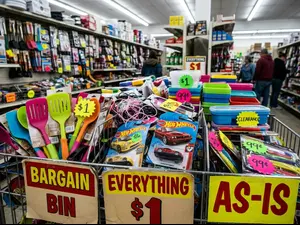
cheap
[ch-eap]
low in cost or quality; also used to describe someone lacking generosity or value.