
williwaw
nouna sudden violent squall blowing offshore from a mountainous coast
What Makes This Word Tick
Ah, "williwaw" - a word as colorful as the phenomenon it describes. A williwaw is a sudden, fierce gust of wind descending from a mountainous coast into the sea. It's often encountered in the high latitudes, notably around the Straits of Magellan and the Aleutian Islands. This word evokes both the whimsy and the wildness of nature's unexpected tempests.
If Williwaw Were a Person…
If williwaw were strolling down the street, it would be a dashing sailor, bracing against the wind in a well-worn pea coat. Known for their unpredictability and flair, you might find them stirring up excitement wherever they go. The sort who loves a dramatic entrance, they're impossible to ignore!
How This Word Has Changed Over Time
"Williwaw" has remained remarkably stable in its meaning over the years. While its origins might date back to the 19th century, its essence as a real force of nature hasn't been diluted. Originally used by sailors, it's maintained its adventurous spirit, never wandering far from its windy roots.
Old Sayings and Proverbs That Use Williwaw
Proverbs directly using "williwaw" are as rare as a calm sea when it arrives. That said, "Beware the williwaw" could serve as sage advice in stormy ports, a watchword for sudden change and unexpected challenges in life.
Surprising Facts About Williwaw
Did you know that williwaws can be so powerful they can capsize small boats? These winds aren't just spontaneous; they're downright dramatic, descending without warning from heights of mountaintops. Adventurers in certain regions keep their ears poised for this unique weather alert.
Out and About With This Word
On your travels through Alaska or Tierra del Fuego, you might hear locals chatting about a williwaw that just swept through. It's one of those delightful regional words best appreciated in context, adding a touch of the exotic to your travel tales.
Pop Culture Moments Where Williwaw Was Used
While williwaw hasn't exactly stormed Hollywood, it carries an aura that belongs in stories of high seas drama. If you're a fan of maritime literature or sea shanties, this word is bound to blow in eventually, lending authenticity to the narrative.
The Word in Literature
Williwaw makes appearances in various nautical tales and adventure novels. It's a favorite among writers capturing the tempestuous nature of northern climates. Whenever you read about a daring sea escapade, keep an eye peeled for a reference to this very particular gust.
Moments in History with Williwaw
The infamous williwaw winds have altered the course of many a naval voyage, sometimes proving perilous for early explorers navigating the southern oceans. In historical documentation of these journeys, its mention is a reminder of nature's potent unpredictability.
This Word Around the World
Although "williwaw" is used primarily in English-speaking regions, similar phenomena are described around the globe with equally colorful terms. In the Adriatic Sea, a similar wind is known as a "bora," both signifying nature's breathtaking, sometimes intimidating displays.
Where Does It Come From?
The etymology isn't entirely clear, though it's thought to have been coined by sailors. Some speculate it might derive from a Native American word, illustrating the melding of languages aboard explorers' vessels as they chronicled their oceanic voyages.
How People Misuse This Word
Occasionally, williwaw can be mistaken for any strong wind, but it specifically refers to those sudden, cold gusts coming from mountains. Using it to describe the gentle breeze on a summer day would be sailing a bit off course.
Words It's Often Confused With
- Squall: While both describe fierce winds, a squall often has accompanying rain.
- Gale: A gale is a more sustained strong wind, often different in origin.
- Bora: A regional version of a cold wind phenomenon, similar but distinct.
Additional Synonyms and Antonyms
Synonyms for williwaw might include "gust" and "blast," while antonyms would be "calm" or "stillness." Its essence is energetic, an antonym being anything sedate and tranquil.
Want to Try It Out in a Sentence?
Sailing around the Cape, we encountered a fierce williwaw, nearly capsizing our ship with its sudden, chilling gust.
Explore more words
11 Dumbest Things Middle-Class Americans Waste Money On
See what to cut →

nurture
[nu-rtu-ure]
to assist the development of

animus
[an-uh-mus]
strong hostility or ill feeling

Little-Known Money Hacks That Could Save You Hundreds
Review the list →

Is Staying With the Same Insurer Costing You More?
Explore Your Options →

infatuated
[in-fat-u-at-ed]
possessed by a foolish or extravagant passion, especially for another person

ostensible
[o-sten-suh-buhl]
outwardly appearing as such; professed; pretended

These 10 Money Moves Could Save Seniors Hundreds
Read more →
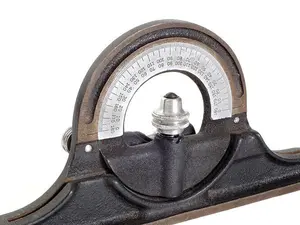
clinometer
[klahy-nom-i-ter]
an instrument used for measuring the angle or elevation of slopes

pervade
[per-veyd]
to become spread throughout all parts of

oracle
[awr-uh-kuhl]
a priest or priestess acting as a medium through whom advice or prophecy was sought from the gods in classical antiquity

deride
[de-ryde]
to ridicule or mock someone or something

picayune
[pik-uh-yoon]
petty, trivial, or of little importance

arbitrary
[ahr-bi-trer-ee]
subject to individual will or judgment without restriction; contingent solely upon one's discretion

exacerbation
[ig-zas-er-bey-shuhn]
the act of making a negative situation feel worse than it is

percolate
[pur-kuh-leyt]
to pass through a porous substance or filter; steep

audit
[aw-dit]
an official inspection of accounts or records

cross
[kr-oss]
annoyed, angry, or irritated.

versatile
[vur-suh-tl]
capable of or adapted for turning easily from one to another of various tasks, fields of endeavor, etc.
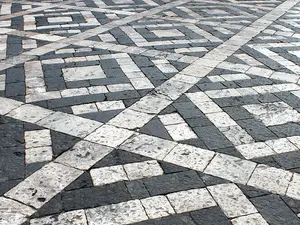
tessellate
[tes-uh-leyt]
to form small squares or blocks, as floors or pavements; form or arrange in a checkered or mosaic pattern