
vestige
nouna surviving evidence or remainder of some condition, practice, etc.
What Makes This Word Tick
The word "vestige" brings to mind remnants or traces of something that once was. It suggests the fingerprint left behind in the sand when a wave has receded, a subtle yet lingering presence that hints at the past. In its essence, "vestige" captures the whisper of history in each artifact or forgotten pathway.
If Vestige Were a Person…
Imagine Vestige as an enthusiastic yet slightly melancholic historian, always dressed in tweed, with a penchant for digressing into tales from times gone by. They'd be the one combing through old photos at family gatherings, piecing together stories of yore, and cherishing every faded memory like a precious gem.
How This Word Has Changed Over Time
Originally from the Latin "vestigium," meaning footprint or track, "vestige" has maintained its association with traces or marks left behind. While its core meaning remains stable, it has gracefully adapted to every era, often invoked in discussions about archaeology, history, and sometimes evoking a hint of nostalgia.
Old Sayings and Proverbs That Use Vestige
Unlike more common words, "vestige" is a bit of a loner in the world of proverbs. However, it fits snugly into the sentiment of any saying about history repeating itself or the persistence of the past - perhaps "the past leaves tracks for those who wish to follow."
Surprising Facts About Vestige
While it has a scholarly air today, "vestige" shows up in everyday language more often than you'd expect - like when someone refers to a "vestige of a smile" or the remnants of bygone days in old-fashioned architecture. Its elegance lies in tapping into a sense of longing or curiosity about what once was.
Out and About With This Word
Encounter "vestige" when wandering through museums, dusty old libraries, or heritage sites - it's the ideal word for those places that whisper stories of yesteryears. You might also catch it in conversations among historians or archaeologists, reveling in the rich tapestry of uncovered histories.
Pop Culture Moments Where Vestige Was Used
"Vestige" appears in films or books where the plot dives into hidden pasts or when characters stumble across forgotten treasures. Think of it as the perfect nod in a mystery novel or the voice-over in a documentary uncovering life's unanswered enigmas.
The Word in Literature
Authors love "vestige" for its evocative power. You'll find it in gothic novels, historical fiction, and narratives that blend time travel with emotional resonance. It wraps a cloak of mystery around tales that explore how the past influences the present.
Moments in History with Vestige
The rediscovery of Pompeii after being buried under volcanic ash serves as a poignant example - a vestige of Roman life suddenly illuminated in the light of modern curiosity. It reminds us of humanity's resilience and how traces of our existence persist across time.
This Word Around the World
In France, the word for "vestige" is delightfully similar: "vestige." However, in Japan, while they might not use a direct equivalent frequently, the concept is evident in their reverence for ancient traditions alongside modern life, giving a sense of "kare" (the beauty of worn or patinated things).
Where Does It Come From?
Tracing back to the Latin "vestigium," originally indicating a footprint or track, "vestige" wound its way through Old French into English during the 15th century. Each linguistic step polished it further, cementing its place as a term for what remains behind.
How People Misuse This Word
Some mistakenly use "vestige" to refer to substantial remnants rather than slight, suggesting something more agreed upon or remembered instead of just faded traces. Its essence is in subtlety, a whisper rather than a shout.
Words It's Often Confused With
- Remnant: Suggests leftover parts, but usually of a more substantial kind.
- Trace: Emphasizes an even smaller or lighter presence than "vestige."
- Footprint: While similar in literal meaning, it's more often used for impressions or impacts, rather than relics of the past.
Additional Synonyms and Antonyms
Synonyms include trace, remnant, residue. Antonyms are abundance, entirety, whole.
Want to Try It Out in a Sentence?
After the snow melted, only a vestige of the snowman remained, a lonely carrot and a few pebbles where a jolly figure once stood.
Explore more words
11 Dumbest Things Middle-Class Americans Waste Money On
See what to cut →

bivouac
[biv-oo-ak]
a military encampment made with tents or improvised shelters, usually without shelter or protection from enemy fire

unscrupulous
[uhn-skroo-pyuh-luhs]
having or showing no moral principles; not honest or fair

Little-Known Money Hacks That Could Save You Hundreds
Review the list →

Is Staying With the Same Insurer Costing You More?
Explore Your Options →

comminatory
[kom-uh-ney-tuh-ree]
a threat of punishment or vengeance
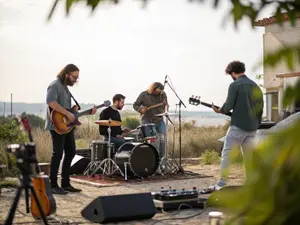
band
[b-and]
a group of people working together, often in music or activities; also refers to a strip of material.

These 10 Money Moves Could Save Seniors Hundreds
Read more →

askance
[uh-skans]
with suspicion, mistrust, or disapproval
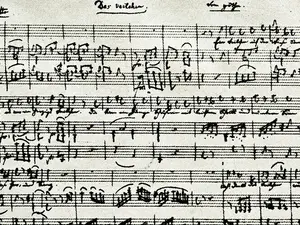
requiem
[rek-wee-uhm]
any musical service, hymn, or dirge for the repose of the dead

malarkey
[muh-lar-kee]
meaningless talk or nonsense
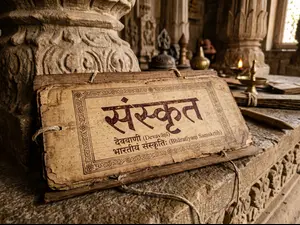
sanskrit
[san-skrit]
an ancient language of india, the classical language of hinduism.

convoluted
[kon-vuh-loo-tid]
complicated; intricately involved

close-fisted
[klohs-fist-id]
stingy or unwilling to spend money

promptitude
[promp-ti-tood]
the quality of acting quickly and without delay; promptness

gape
[gayp]
to stare with an open mouth in amazement