
glut
verbto feed or fill to excess; cloy
What Makes This Word Tick
"Glut" is a short, punchy word that you might hear when there's just too much of something. It perfectly encapsulates that feeling of overabundance, whether it be too many tomatoes in the garden or a flood of new TV shows to stream. It's like going to an all-you-can-eat buffet and then some.
If Glut Were a Person…
Glut would be that friend who always brings an extra dessert to the potluck, just in case. They're generous to a fault and sometimes a bit overwhelming with their abundance of everything - stories, snacks, and the odd opinion - overflowing at every turn.
How This Word Has Changed Over Time
"Glut" has stayed fairly consistent throughout the centuries. Originating from Old English, the essence of indulgence and excess has always been at its core. Over time, it's found its niche in economics and agriculture where excess isn't always a good thing.
Old Sayings and Proverbs That Use Glut
While there aren't age-old proverbs featuring "glut," it would fit right into advice like "Too much of a good thing." The sentiment of overabundance leading to trouble is universal and timeless.
Surprising Facts About Glut
One surprising note about "glut" is that it's not just for food or goods; economists often use it to describe markets that are oversupplied. So next time you hear about an oil glut, remember it's not about a spill, but too much oil on the market!
Out and About With This Word
You might run into "glut" at economic conferences, in news reports about the latest bumper crop, or even at the dinner table when someone's eyes were bigger than their stomach. It's not a word for whispers; "glut" comes with an exclamation point by nature.
Pop Culture Moments Where Glut Was Used
Though not a celebrity word, "glut" pops up in analysis of pop culture itself, like discussions about superhero movie gluts or the barrage of streaming content faced by modern audiences – more choices than one could shake a remote at!
The Word in Literature
"Glut" might appear in novels or stories that explore themes of opulence or abundance. Think Dickensian feasts or opulent parties from the Jazz Age, where excess was the name of the game.
Moments in History with Glut
The Great Depression's aftermath witnessed gluts in many agricultural products, leaving farmers in a difficult position as prices plummeted. This historical period showcased how an abundance could paradoxically lead to scarcity, reflecting gluts' double-edged sword nature.
This Word Around the World
In Japan, there's a concept of "mottainai," which conveys regret over waste. While not a direct translation of "glut," it brings a cultural perspective on the repercussions of overabundance. Across languages, the idea of "too much" resonates differently but universally.
Where Does It Come From?
Originally from the Old English "gluttian," it's linked to the word "gluttony," a close relative. Both share a root in excess, but while gluttony often leans toward food, glut has broadened to encompass any and all excesses.
How People Misuse This Word
Sometimes "glut" is confused with just having "a lot" of something. But "glut" specifically refers to more than just plenty; it's an overabundance that's often unwanted and challenging to manage.
Words It's Often Confused With
- Surfeit: Both mean excess, but surfeit often implies sickness from overindulgence.
- Plethora: A word for an abundance, with less of glut's negative connotation.
- Surplus: Like glut, but typically used in a more neutral sense, especially in accounting.
Additional Synonyms and Antonyms
Synonyms include "overabundance," "oversupply," and "deluge." Antonyms might be "scarcity," "drought," or simply "need."
Want to Try It Out in a Sentence?
Oh, my: After every gardener in the neighborhood went wild with zucchini plants, there was a tremendous glut of squash by midsummer!
Explore more words

mystifying
[mis-tuh-fahy-ing]
to perplex (a person) by playing upon the person's credulity; bewilder purposely

comet
[k-om-et]
a celestial object made of ice, dust, and gas, often with a glowing tail when near the sun.

toplofty
[top-lawf-tee, -lof-]
condescending; haughty

cunctation
[kuhngk-tey-shuhn]
lateness; delay
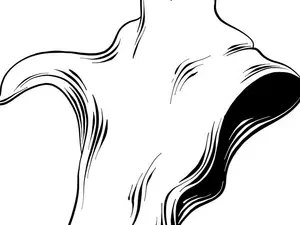
wraith
[reyth]
a ghost or ghostlike image of someone, especially one seen shortly before or after their death

cacophony
[kuh-kof-uh-nee]
a harsh discordant mixture of sounds

accord
[uh-kord]
an agreement

willies
[wil-eez]
a strong feeling of nervousness or unease
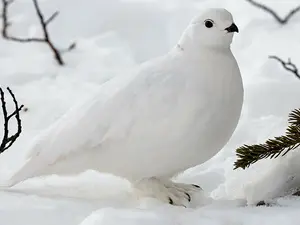
ptarmigan
[tahr-mi-guhn]
any of the several birds from the genus Lagopus

perky
[pur-kee]
jaunty; cheerful; brisk; pert

amorous
[am-oro-ous]
showing love, particularly sexual

submerged
[suhb-murjd]
plunged into water or other fluid.

eleemosynary
[el-uh-mos-uh-ner-ee]
relating to charity or almsgiving.

newfangled
[noo-fang-guhld]
of a new kind or fashion

summarize
[s-umm-ar-iz-e]
to provide a brief and concise statement of the main points.

rouse
[rouz]
to stir or incite to strong indignation or anger