equinox
nounthe time or date (twice each year) at which the sun crosses the celestial equator, when day and night are of approximately equal length
What Makes This Word Tick
The word "equinox" is full of celestial charm, marking the twice-yearly event when day and night are almost equal in length. This happens when the sun crosses the celestial equator, giving us the spring and autumn equinoxes. For those who enjoy a good evening sunset or a brisk morning walk, it signals a beautiful balance in nature's routine.
If Equinox Were a Person…
Equinox would be that friend who's always impeccably balanced and strives for harmony. Picture someone who's equally fond of both beach strolls and cozy fireside chats. They have a calming presence, embodying the perfect intersection between light and dark, warmth and chill.
How This Word Has Changed Over Time
Originating from the Latin "aequinoctium," meaning "equal night," the word hasn't changed much in meaning over centuries. It's always symbolized balance and equality in length of day and night, although interpretations around it have evolved with various cultural celebrations.
Old Sayings and Proverbs That Use Equinox
While there might not be ancient proverbs about equinoxes explicitly, they have inspired many sayings about balance and change, and are often tied to themes of rebirth and renewal.
Surprising Facts About Equinox
Did you know that the equinox doesn't guarantee a perfectly balanced day and night? Due to atmospheric refraction, day may still be a tad longer. Also, it doesn't happen at a fixed calendar date each year due to our calendar's overlap with Earth's solar orbit.
Out and About With This Word
Postcards and calendars love to highlight equinoxes, with images capturing vibrant, symmetrical sunrises or sunsets. They're great opportunities for photography and connecting with nature as the Earth transitions through the seasons.
Pop Culture Moments Where Equinox Was Used
Equinox is often depicted in literature, movies, and television as a mystical time, perfect for transformational plot twists or a time when magical happenings could occur. It brings a sense of mystery and change, a favorite theme in storytelling.
The Word in Literature
In literature, equinox often symbolizes a period of change or a turning point for characters. It's commonly featured in poetry and novels, especially those reveling in themes of nature and transformation - think of the whimsy in works by authors like Ray Bradbury or nature-centric poets.
Moments in History with Equinox
Historically, equinoxes have been celebrated in various cultures as significant times for rituals and gatherings. Consider ancient structures like Stonehenge, which align with this event, marking it as a moment of astronomical importance.
This Word Around the World
Equinoxes are celebrated globally, each with unique traditions. In Japan, they coincide with public holidays, marking a time to pay respect to ancestors, while in Iran, they herald the start of the Persian New Year, known as Nowruz.
Where Does It Come From?
The word "equinox" is rooted in the Latin "aequinoctium," from "aequus" meaning equal, and "nox," meaning night. It's a term that has been used for centuries to describe this celestial balance.
How People Misuse This Word
People sometimes confuse equinox with solstice, which actually marks the longest or shortest days of the year. It's not uncommon to mix up these key astronomical events given their seasonal significance.
Words It's Often Confused With
- Solstice: Marks the longest and shortest days, unlike equinox's equal day and night.
- Zenith: Refers to the point in the sky directly above an observer, not a day of equal daylight.
- Eclipse: A celestial event where one body passes into the shadow of another, not the balance of day and night.
Additional Synonyms and Antonyms
While there are no perfect synonyms, words like "balance" or "equality" come close in spirit. Antonyms might include "disparity" or "inequality" given the equinox's emphasis on equal hours.
Want to Try It Out in a Sentence?
"As the equinox approached, she felt a serene balance take over her life, matching the harmony in nature."
Explore more words

impecunious
[im-pi-kyoo-nee-uhs]
having little or no money; penniless; poor

case
[k-as-e]
a container or situation designed for a specific purpose; also refers to an instance or example.
hazy
[hey-zee]
characterized by the presence of haze; misty

concatenate
[kon-kat-n-eyt]
link (things) together in a chain or series

jurisprudence
[joor-is-prood-ns]
a legal system

burble
[bur-buhl]
to speak in an excited manner; babble.

virtuoso
[vur-choo-oh-soh]
a person who excels in musical technique or execution

cheered
[cheerd]
filled with gladness or encouragement
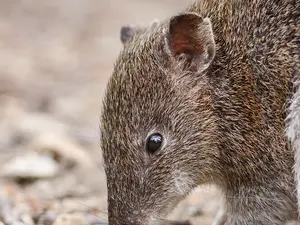
bandicoot
[ban-di-koot]
a mainly insectivorous marsupial native to Australia and New Guinea

beguile
[bih-gahyl]
to pass time pleasantly

recondite
[ri-kon-dahyt]
dealing with very profound, difficult, or abstruse subject matter

exploit
[ex-plo-oit]
make full use of and derive benefit from

amalgamate
[uh-mal-guh-meyt ]
to mix or merge, as to make a combination; blend; unite; combine

suborn
[suh-bawrn]
to bribe or induce (someone) unlawfully or secretly to perform some misdeed or to commit a crime

inspirit
[in-spir-it]
to infuse spirit or life into; enliven

ordinal
[awr-dn-uhl ]
of or relating to order, rank, or position in a series