
deplete
verbto decrease seriously or exhaust the abundance or supply of
What Makes This Word Tick
"Deplete" is one of those words that feels like it carries the weight of depletion within its very letters. Imagine a glass slowly emptying or a garden after a season with no rain-sparse and wanting. It's a verb that communicates a reduction, often to a concerning level.
If Deplete Were a Person…
Picture Deplete as a cautious accountant, perpetually reminding you of your dwindling bank account balance. Always practical and a bit of a worrier, this character hates wastefulness and makes sure everyone knows when resources are running low.
How This Word Has Changed Over Time
Originally used in the early 1800s, "deplete" stems from the Latin word "deplere," meaning to empty. Over time, the context has evolved from literal physical depletion to contexts involving resources like finances or energy levels.
Old Sayings and Proverbs That Use Deplete
While "deplete" doesn't star in any famous proverbs verbatim, its essence lives on in classics like "Don't burn the candle at both ends," which serves as a sage warning not to exhaust your resources too quickly.
Surprising Facts About Deplete
Did you know that "deplete" shares its roots with the word "compliance"? Though they seem worlds apart, both derive from the Latin "plēre," meaning to fill or complete. "Deplete" reverses the concept, of course, showing just how topsy-turvy language development can be!
Out and About With This Word
Watch out for signs of deplete when chatting with a doctor or a climate activist, as these conversations often involve discussions of depleted resources, be they energy, nutrients, or natural reserves.
Pop Culture Moments Where Deplete Was Used
In environmental documentaries, "deplete" is a frequent flyer, often used to highlight the reckless use of natural resources. "The Day After Tomorrow," a film about climate change, underscores the consequences of resource depletion.
The Word in Literature
"Deplete" might find a cozy spot in dystopian literature where societies are battling over scarce resources. In novels like "The Road" by Cormac McCarthy, the theme of depletion is ever-present, painting vivid worlds of fragility and survival.
Moments in History with Deplete
Think of the Dust Bowl in the 1930s. Here was a time when poor farming practices led to depleted soil, with devastating effects. The period perfectly exemplifies how depleting critical resources can lead to widespread challenges.
This Word Around the World
In French, "deplete" is translated to "épuiser," often used to describe exhaustion. In Japanese, it becomes "kushou," which translates to something closer to "running out of steam," showing some cultural variations in addressing resource scarcity.
Where Does It Come From?
"Deplete" comes to us from the Latin "deplere," a combination of "de-" (down, away) and "plere" (to fill), suggesting the act of drawing something down or emptying it out.
How People Misuse This Word
Sometimes people use "deplete" when they simply mean "use." To deplete means using something to exhaustion, not just employing it.
Words It's Often Confused With
- Exhaust: Both imply using up resources, but "exhaust" often conveys a more complete sense of having nothing left.
- Drain: Typically refers more to liquid or energy, though the end result is similar-resources being reduced.
- Diminish: While depletion often implies total usage, diminishing suggests a decrease, not necessarily leading to emptiness.
Additional Synonyms and Antonyms
Synonyms include "reduce," "drain," and "exhaust." Its antonyms would be "replenish," "restore," and "augment."
Want to Try It Out in a Sentence?
The intense dry spell began to deplete the reservoir, threatening the town's water supply.
Explore more words

functional
[fuhngk-shuh-nl]
designed to be practical and useful
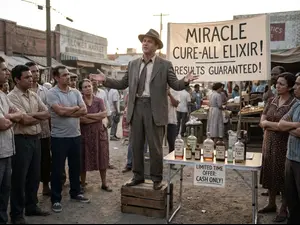
humbug
[huhm-buhg]
deceptive or false talk or behavior

vermouth
[ver-mooth]
a white wine in which herbs, roots, barks, and bitters have been steeped to make it aromatic

gild
[g-ild]
to cover something with a thin layer of gold; also used metaphorically to enhance or embellish.

atrocious
[uh-troh-shuhs]
horrifyingly bad or unpleasant

adorned
[ad-orn-ed]
decorated or embellished to make something more attractive.

harmony
[har-muh-nee]
compatibility in opinion and action

dungarees
[duhng-guh-ree]
work clothes, overalls, etc. made of blue denim

oeillade
[œ-yad]
an amorous glance; ogle
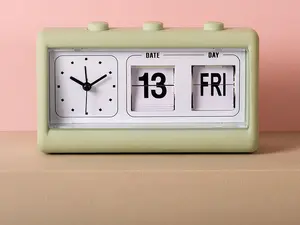
triskaidekaphobia
[tris-kahy-dek-uh-foh-bee-uh]
a fear of the number 13

lotion
[l-oshun]
a liquid or cream applied to the skin for moisturizing or healing.

apex
[ey-peks]
the tip, point, or vertex; summit

notepad
[note-pad]
a small book of blank or lined pages for writing notes
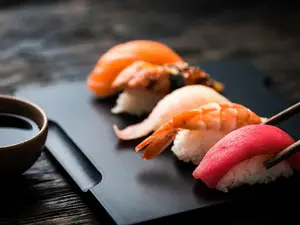
umami
[oo-mah-mee]
a strong meaty taste imparted by glutamate and certain other amino acids: often considered to be one of the basic taste sensations along with sweet, sour, bitter, and salty

pithy
[pith-ee]
brief, forceful, and meaningful in expression; full of vigor, substance, or meaning; terse; forcible
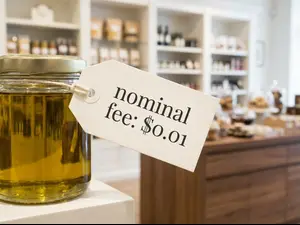
nominal
[no-min-nal]
trifling, insignificant