
commemorate
verbto serve as a memorial or reminder of
What Makes This Word Tick
"Commemorate" is a word that brings together memory and honor. It involves marking an event or a person with respect, often through ceremonies, monuments, or special activities. While it might sound quite formal, it's essentially about paying tribute and ensuring memories live on.
If Commemorate Were a Person…
If "commemorate" were a person, they'd be someone who never forgets your birthday and always toasts to absent friends. They'd show up with a bouquet of lilies in remembrance of beloved times gone by and would have a knack for delivering heartfelt toasts that leave no eye dry.
How This Word Has Changed Over Time
Over time, "commemorate" hasn't wandered too far from its original meaning. From its Latin roots, commemorare, it combines "com-" (together) and "memorare" (remind), essentially meaning to remind or remember together-a sense that has held strong throughout the ages.
Old Sayings and Proverbs That Use Commemorate
While direct proverbs might not commonly feature "commemorate," the sentiment thrives in phrases like "lest we forget" or "in memory of," which underscore the importance of remembering.
Surprising Facts About Commemorate
Did you know many stamps and coins are issued to commemorate important events or anniversaries? So next time you handle some change, look closely-there might be a mini tribute in your pocket.
Out and About With This Word
Walk through any park, and you'll likely find plaques "commemorating" events or people. It's a word you might encounter in museums, history books, or community gatherings, tying us to a shared past and collective memory.
Pop Culture Moments Where Commemorate Was Used
Pop culture loves a good commemoration! Events like the Beatles' Apple Rooftop Concert's anniversary have been celebrated in films and documentaries. These moments remind us why we love to commemorate-so the music (or moment) never dies.
The Word in Literature
In literature, "commemorate" finds a home in historical novels or military memoirs, often used to mark significant moments of valor or loss. It might not take center stage but serves as an emotional anchor, weaving sentiment throughout stories.
Moments in History with Commemorate
Historically, one of the most recognized uses is the term's presence in phrases like "Armistice Day" or "Remembrance Sunday," where ceremonies and minutes of silence commemorate those who served in wars, anchoring us in gratitude and reflection.
This Word Around the World
Around the globe, different cultures have unique ways of commemorating. In Japan, Obon is a festival for commemorating ancestors. In Mexico, the colorful Día de los Muertos celebrates with altars and offerings to honor passed loved ones.
Where Does It Come From?
The word "commemorate" originated from the Latin "commemorare," proving once more that the roots of many English words often delve deep into the annals of history, reflecting traditions of homage and storytelling.
How People Misuse This Word
It's not uncommon to see people confuse "commemorate" with "celebrate." While commemorating can include celebration, it specifically involves the act of remembering and honoring, often with a formal tone.
Words It's Often Confused With
- Celebrate: More about party vibes and festivities.
- Honor: While similar, honor can be less about remembering and more about showing respect.
- Memorialize: A close cousin, but usually means to create a memorial.
Additional Synonyms and Antonyms
Synonyms include "memorialize," "observe," and "honor." Antonyms might be "ignore" or "neglect," words that suggest a lack of acknowledgment or remembrance.
Want to Try It Out in a Sentence?
"We gather each year to commemorate the founding of the town, reflecting on its rich history and the community we are today."
Explore more words
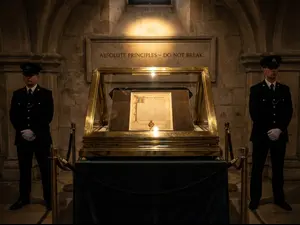
inviolable
[in-vio-ble]
secure from assault
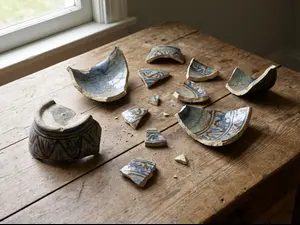
fragmentary
[fr-agm-ent-ary]
consisting of small, incomplete parts or pieces.

brash
[brash]
confident in an aggressive or rude way
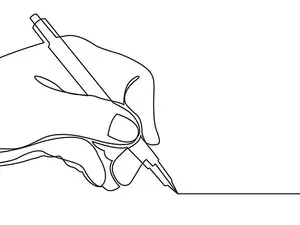
adumbrate
[a-duhm-breyt]
to produce a faint image or resemblance of; to outline or sketch

puerile
[pyoo-er-il]
childishly foolish, immature, or trivial

adulate
[aj-uh-leyt]
to show excessive admiration or devotion to; flatter or admire servilely

insipid
[in-sip-id]
without distinctive, interesting, or stimulating qualities; vapid

rejuvenate
[rejuvenate]
to make young again; restore to youthful vigor, appearance, etc.

ferment
[fer-ment]
to be fermented; undergo fermentation

truncate
[truhng-keyt]
to shorten by cutting off a part; cut short

moria
[môr′ē-ə]
dullness of mind; mental lethargy; a mental state characterized by frivolity, joviality, and the inability to be serious

euphoric
[yoo-fawr-ik]
intensely happy or confident
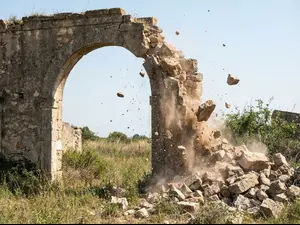
disintegration
[dis-in-ti-grey-shuhn]
the process of breaking into smaller parts

cunctation
[kuhngk-tey-shuhn]
lateness; delay

orotund
[awr-uh-tuhnd]
(of the voice or speech) characterized by strength, fullness, richness, and clearness
delectable
[dih-lek-tuh-buhl]
delightful; highly pleasing; enjoyable