capitulate
verbto surrender unconditionally or on stipulated terms
What Makes This Word Tick
"Capitulate" is a word that carries the weight of surrender within its six letters. It signifies the act of giving in or ceasing to resist an opponent or an unwelcome demand. It's the kind of word that suggests a dramatic pause in the plot, where one decides that further struggle might be futile.
If Capitulate Were a Person…
Imagine a seasoned chess player, realizing they're on the brink of checkmate, who gracefully lays down their king and concedes the game. Capitulate, as a person, would be dignified and accepting of reality, understanding when it's time to retreat and regroup.
How This Word Has Changed Over Time
Originally used in the 16th century, "capitulate" was closely related to making terms or agreements in the context of surrender. Over centuries, its military undertones softened, and today it comfortably fits into everyday conversation, describing any scenario where one might yield, not just warfare.
Old Sayings and Proverbs That Use Capitulate
While "capitulate" doesn't frequently appear in traditional proverbs, it shares a kindred spirit with sayings like "choose your battles wisely" or "discretion is the better part of valor."
Surprising Facts About Capitulate
You might find it interesting that "capitulate" comes from the Latin "capitulum," meaning "a little head" or "chapter," hinting at the unfolding agreements typically laid out chapter by chapter in historical treaties.
Out and About With This Word
"Capitulate" makes its grand entrance in contexts where one realizes the odds aren't in their favor-think workplace negotiations, competitive board games, or even everyday squabbles about whose turn it is to control the TV remote.
Pop Culture Moments Where Capitulate Was Used
"Capitulate" popped up surprisingly often in drama-filled TV series and thrilling novels. Whenever characters decide to give up the fight, a well-placed "capitulate" adds to the storyline's tension, highlighting a crucial turning point.
The Word in Literature
Authors of riveting tales often use "capitulate" to describe moments of defeat or compromise. Its presence can often be felt in historical novels, where themes of conflict resolution and diplomacy run strong.
Moments in History with Capitulate
One might think of the moment Napoleon capitulated at Waterloo, marking a turning point in European history. Although the word itself wasn't used then, the event captured the sheer essence of "capitulate."
This Word Around the World
In French, "capituler" holds nearly the same meaning, displaying the remarkable consistency of this concept across languages. Capitulation resonates globally, whether through words or actions, like waving a white flag.
Where Does It Come From?
"Capitulate" traces its origins back to Latin, specifically the word "capitulare," which means "to draw up under headings." This connects to the practice of surrenders being drafted as formal agreements.
How People Misuse This Word
Sometimes, folks confuse "capitulate" with mere agreement, but it specifically involves surrender after resistance. It's not just about going along with a plan but doing so after a struggle.
Words It's Often Confused With
- Surrender: Both imply giving up, but surrender can be broader, not necessarily after negotiation.
- Concede: This can mean to admit defeat or grant a point, but doesn't always imply the end of resistance.
- Yield: Often used in the context of giving way physically, whereas capitulate implies a strategic or conscious decision post-resistance.
Additional Synonyms and Antonyms
Synonyms include "surrender," "give in," and "yield." Antonyms would be "resist," "defend," and "fight."
Want to Try It Out in a Sentence?
After hours of arguing over the itinerary, Mary finally capitulated to her brother's plan to visit the theme park instead of the museum.
Explore more words

crime
[krahym]
an illegal act for which someone can be punished by the government

attenuate
[uh-ten-yoo-eyt]
to weaken or reduce in force, intensity, effect, quantity, or value

expectant
[ik-spek-tuhnt]
having expectations; expecting

tergiversate
[tur-ji-ver-seyt]
to repeatedly change one's attitude or opinions with respect to a cause, subject, etc.

crestfallen
[krest-faw-luhn]
dejected; dispirited; discouraged

zealous
[zel-uhs]
full of, characterized by, or due to zeal; ardently active, devoted, or diligent

ambidextrous
[am-bi-dek-struhs]
able to use both hands equally well

rarity
[r-ar-ity]
the state or quality of being uncommon or unique.

winnow
[win-oh]
to free (grain) from the lighter particles of chaff, dirt, etc., especially by throwing it into the air and allowing the wind or a forced current of air to blow away impurities

unprecedented
[un-pre-ted]
entirely new
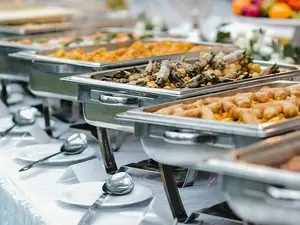
smorgasbord
[smawr-guhs-bawrd]
a buffet meal of various hot and cold hors d'oeuvres, salads, casserole dishes, meats, cheeses, etc.

renowned
[ri-nound]
celebrated; famous

rebuff
[ri-buhf ]
to give a rebuff to; check; repel; refuse; drive away

flatten
[fl-att-en]
to make something level, smooth, or less prominent.
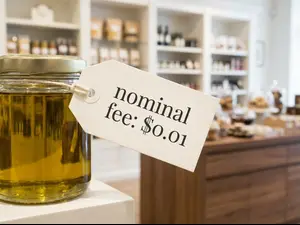
nominal
[no-min-nal]
trifling, insignificant

indirect
[ind-ir-ekt]
not straightforward or direct; involving a roundabout or secondary path or method.