
camaraderie
nounmutual trust and friendship among people who spend a lot of time together
What Makes This Word Tick
Camaraderie is the warm feeling of friendship that comes from being part of a group or going through experiences together. Like a cozy fireplace gathering on a chilly night, it conjures images of shared laughter and mutual understanding. It's all about being in good company and enjoying a sense of belonging.
If Camaraderie Were a Person…
Camaraderie would be your jolly neighbor who always invites everyone over for pancake breakfasts, telling tales from the past, and making sure no one drinks alone at parties. Ever the social architect, they thrive on connecting people and spreading cheer wherever they stroll.
How This Word Has Changed Over Time
Originally stemming from the French word "camarade," which meant "roommate," camaraderie used to refer primarily to companions who shared living quarters. Over time, it evolved to encompass the richer bond and affinity between people who have shared life's adventures, hardships, and joys.
Old Sayings and Proverbs That Use Camaraderie
While direct proverbs using "camaraderie" are scarce, the spirit of camaraderie lives in phrases like "a friend in need is a friend indeed," capturing the essence of supportive friendships and solidarity in adversity.
Surprising Facts About Camaraderie
Camaraderie isn't just for people! Studies show that animals, like dolphins and elephants, also display behaviors that can be described as camaraderie, demonstrating playful activities and supporting each other in times of need. It's a universal language of connection.
Out and About With This Word
You might encounter camaraderie at a local veterans' club, where old service buddies share stories over coffee. It's also found among your daily group at the dog park or in a choir where singing unites voices and hearts alike.
Pop Culture Moments Where Camaraderie Was Used
The hit TV show "Friends" is a long-running love letter to camaraderie, showcasing the ups and downs of life buoyed by a close-knit group of pals. Movies like "The Breakfast Club" and "Stand By Me" similarly highlight the deep bonds that form through shared experiences.
The Word in Literature
Camaraderie appears in numerous war novels, where soldiers develop deep bonds during their service. Books like "All Quiet on the Western Front" poignantly depict how enduring friendships build even amid the chaos of conflict.
Moments in History with Camaraderie
On Christmas Eve, 1914, amid the grimness of World War I, soldiers from opposing sides emerged from their trenches for an unofficial truce. They sang carols and played soccer-a testament to the power of camaraderie blossoming even in the darkest times.
This Word Around the World
In Japan, the word "nakama" refers to camaraderie, often used to describe the deep, often unspoken bonds between close friends or colleagues. It carries a weight that stresses the mutual commitment within these relationships, much like camaraderie does.
Where Does It Come From?
The word camaraderie traces back to the French "camarade," which means "chamber mate" or "roommate." This term found its way into English through the spiraling corridors of military barracks and dorm rooms filled with late-night laughter.
How People Misuse This Word
Some mistakenly use camaraderie to describe any casual acquaintance or superficial connection. True camaraderie requires a depth of shared experience and genuine connection that goes beyond casual friendship.
Words It's Often Confused With
- Friendship: Though similar, friendship refers more broadly to an amicable relationship, while camaraderie implies a deeper, almost brotherly bond formed through shared experiences.
- Teamwork: Teamwork highlights collaboration towards a common goal, whereas camaraderie focuses on the emotional connections and mutual trust within that group.
Additional Synonyms and Antonyms
Synonyms include fellowship, companionship, and brotherhood. Antonyms are isolation, loneliness, and alienation.
Want to Try It Out in a Sentence?
Joining the volunteer group brought a sense of camaraderie she hadn't felt in years, as they laughed and worked together to build a better community.
Explore more words

discharge
[dis-chahrj]
to release or allow something to flow out

alembic
[uh-lem-bik]
anything that transforms, purifies, or refines

glower
[glou-er]
to look or stare with sullen dislike, discontent, or anger

rouse
[rouz]
to stir or incite to strong indignation or anger
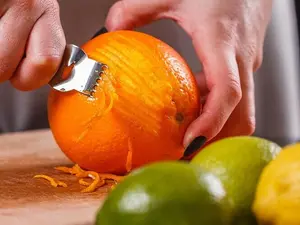
zest
[zest]
keen relish; hearty enjoyment; gusto

guileless
[gahyl-lis]
free from guile; sincere; honest; straightforward; frank

aerify
[air-uh-fahy]
to turn into air or gas

abide
[ab-ide-ide]
to put up with

gurn
[gurn]
make a comically or repulsively ugly face
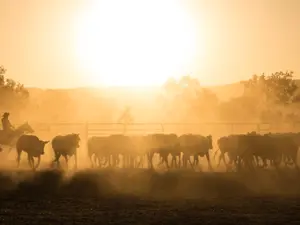
dispel
[dih-spel]
to drive off in various directions; disperse; dissipate

upbraid
[uhp-breyd]
to find fault with or reproach severely; censure
annexing
[an-ek-sing]
to add or attach something, especially territory

annihilate
[uh-nahy-uh-leyt]
to reduce to utter ruin or nonexistence; destroy utterly
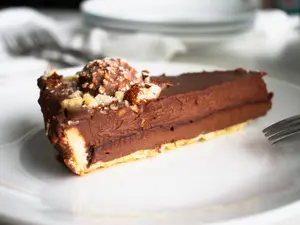
delectable
[dih-lek-tuh-buhl]
delightful; highly pleasing; enjoyable

newfangled
[noo-fang-guhld]
of a new kind or fashion

metronome
[me-truh-nohm]
a mechanical or electrical instrument that makes repeated clicking sounds at an adjustable pace, used for marking rhythm, especially in practicing music